Best Flowers for Seattle Yards (Plus the Ones You’ll Regret)
There’s something about a yard with flowers that just makes people slow down when they walk by. The right blooms can make a home feel warm, cared for, and alive. When it comes to selling in a competitive market, curb appeal really does matter.
But not every flower that looks gorgeous at the nursery is going to thrive in a Seattle yard. Our cool, rainy springs and heavy clay soil humble a lot of plants that do beautifully in sunnier climates. So here’s a rundown of flowers that work here and a few that will leave you frustrated.
1. Salvia
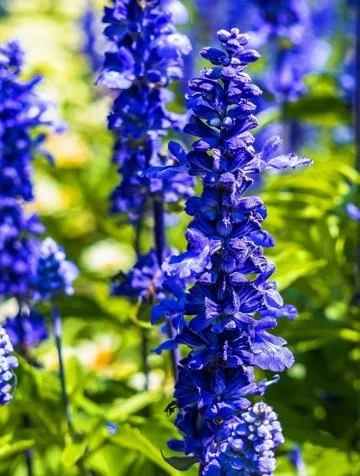
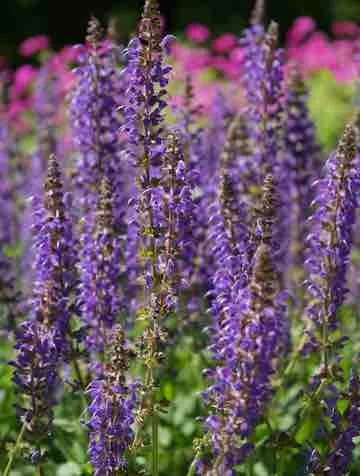
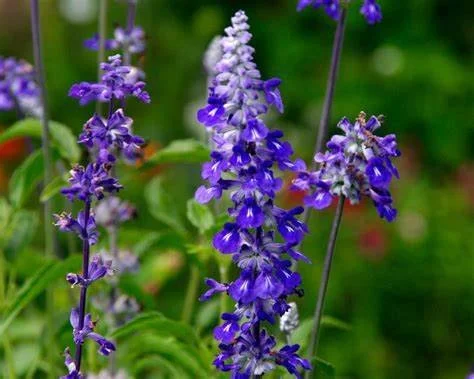
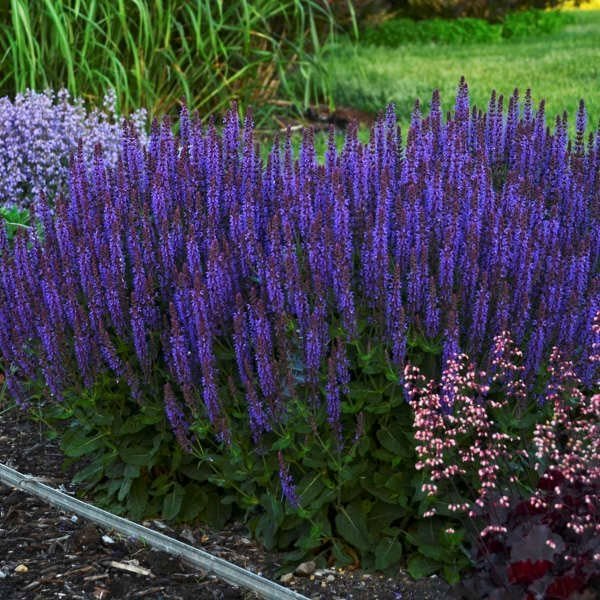
Salvias are one of those plants that overdeliver. They bloom for months, come in deep purples and electric blues, and pollinators absolutely lose their minds over them.
Why they work here: They tolerate our cool summers, don’t need much water once established, and shrug off light frost. Salvia nemorosa varieties like ‘Caradonna’ or ‘May Night’ are especially reliable in the PNW.
Skip this one:
Delphinium — Stunning in photos, genuinely frustrating in real life. Delphiniums want rich, well-drained soil and resent our wet winters. They’re prone to crown rot, topple in wind, and often need staking. Save yourself the effort.
2. Echinacea (Coneflower)
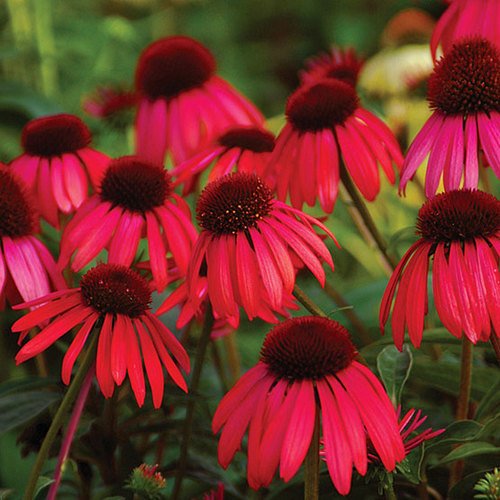
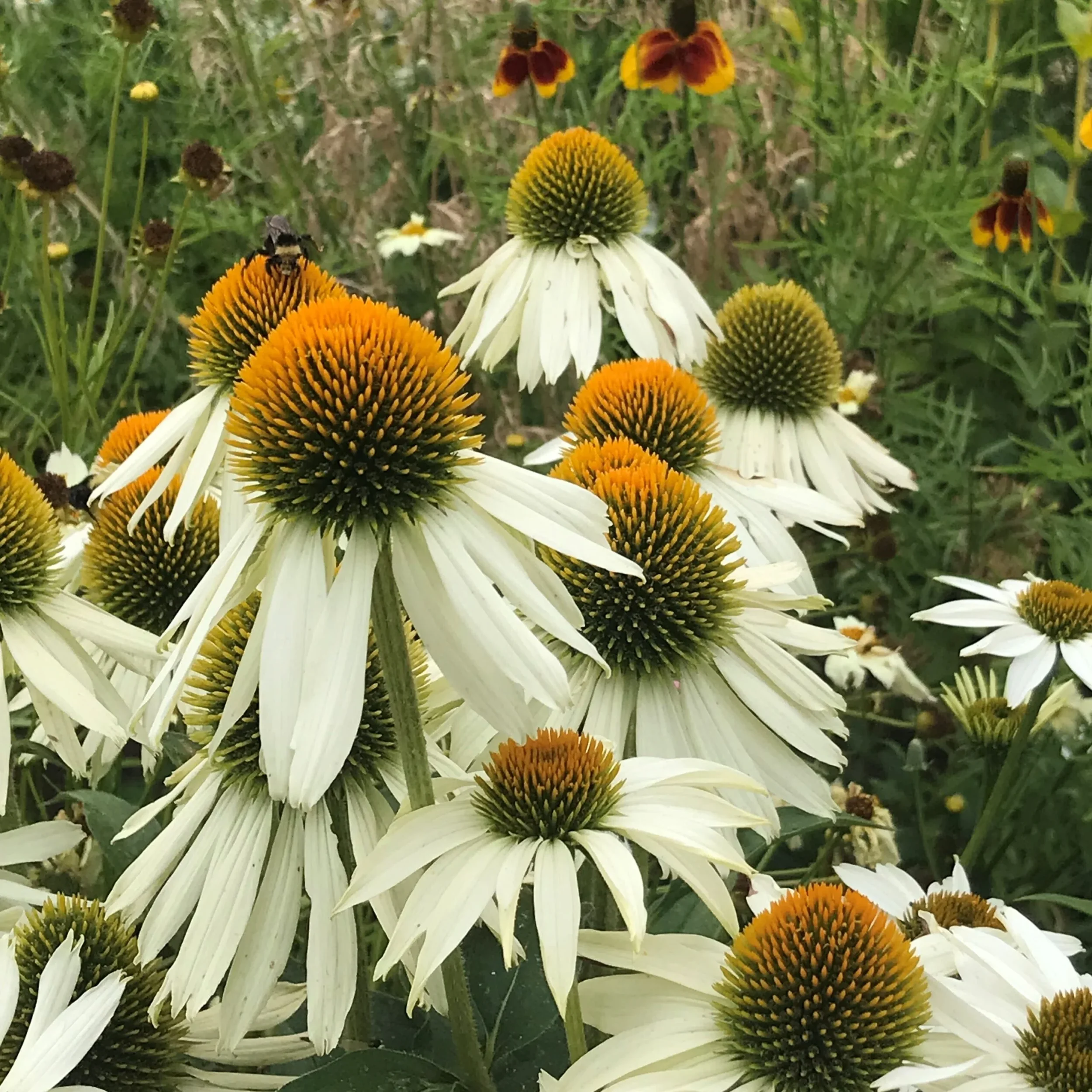
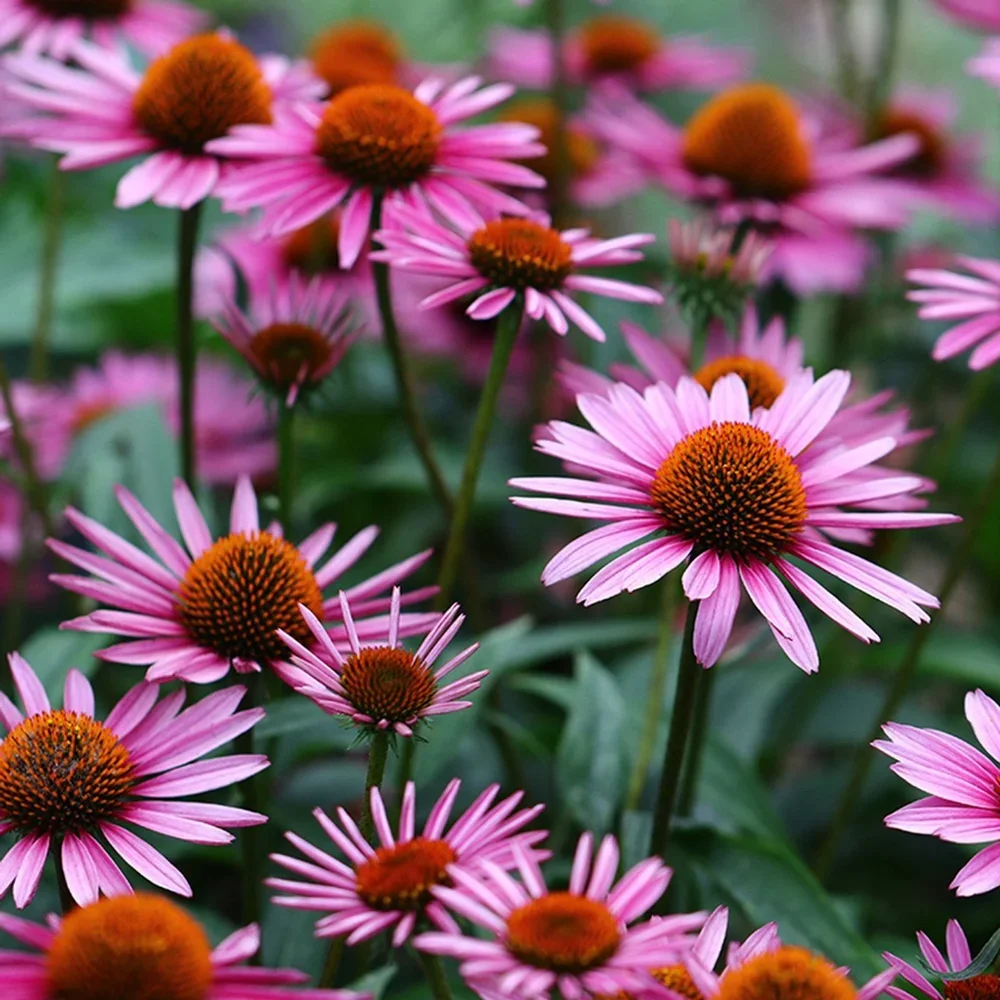
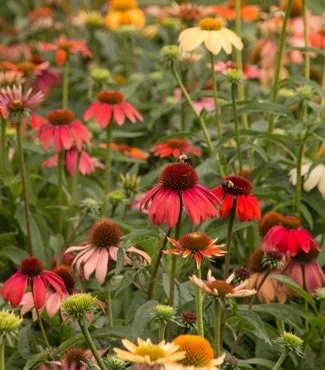
If you want something that looks effortless and keeps coming back year after year, coneflowers are your answer. The classic purple variety is gorgeous, but there are also warm coral, white, and deep red options if you want something a little unexpected.
Why they thrive here: They’re tough, drought-tolerant once established, and the seed heads feed birds through fall and winter. They also play beautifully with ornamental grasses and other perennials. Plant them somewhere with full sun and excellent drainage through the winter.
Skip this one:
Lupine (non-native varieties) — Native lupine is actually a lovely PNW plant, but the Russell Hybrid lupines sold at most garden centers are short-lived here, prone to aphid infestations, and can reseed aggressively. They look beautiful for a season and then become a management problem.
3. Crocosmia
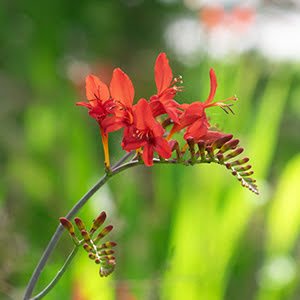
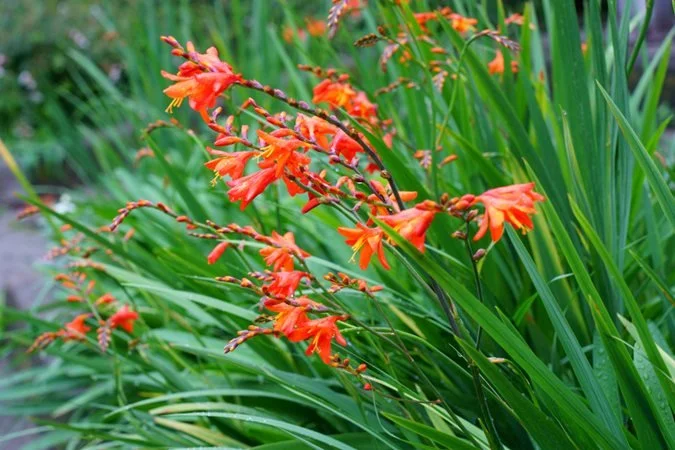
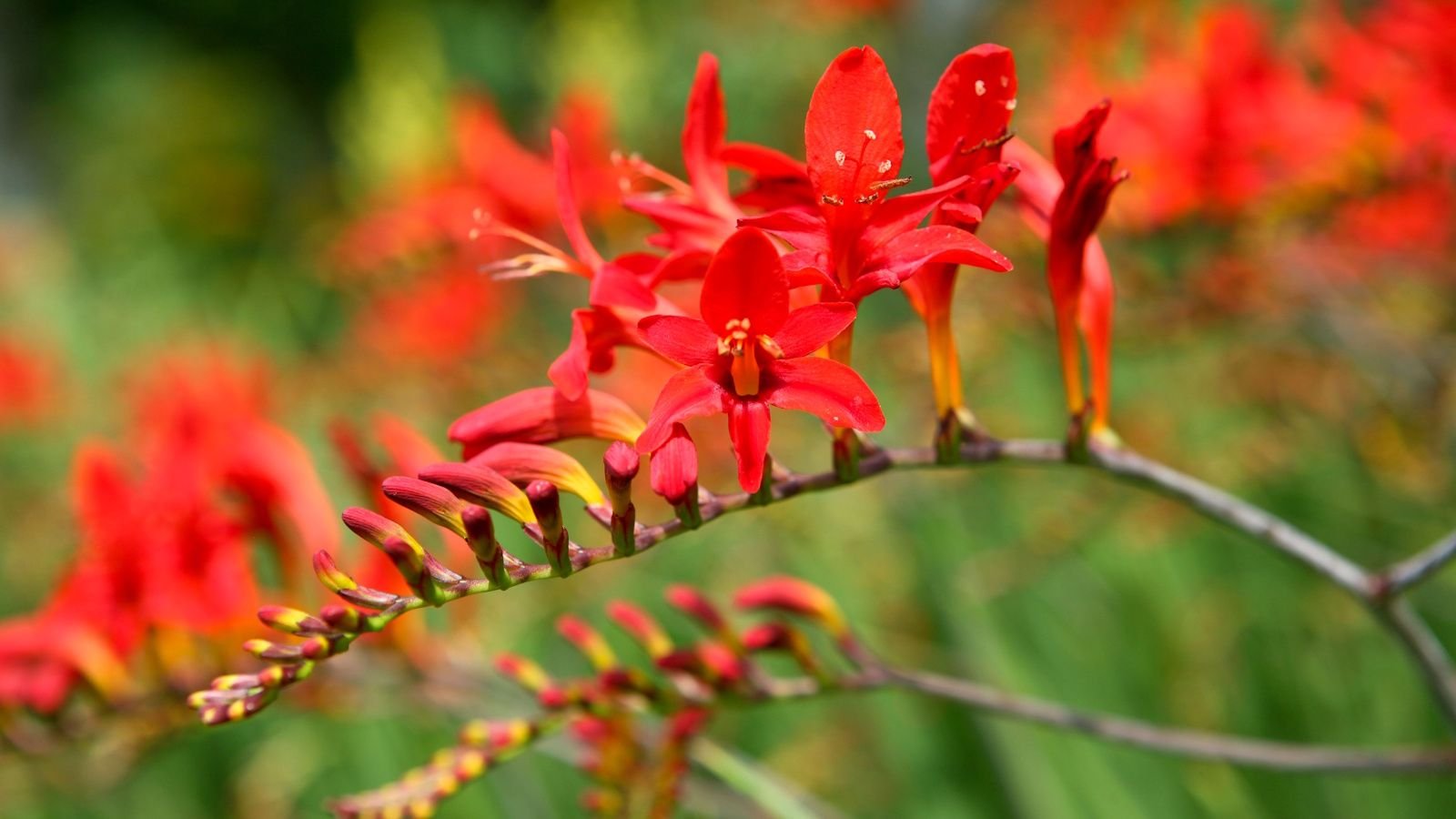
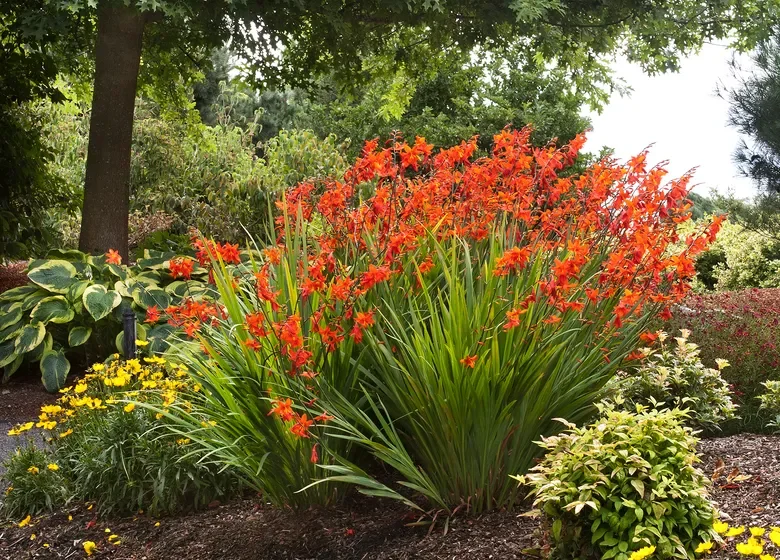
If you’ve ever driven through a Seattle neighborhood in late summer and seen those arching sprays of fiery orange-red flowers, that’s crocosmia. It’s bold, dramatic, and almost impossible to kill.
- Why it’s great: It naturalizes well in our climate, spreads slowly into impressive clumps, and blooms when most other things are winding down. Varieties like ‘Lucifer’ make a real statement in a front border.
Skip this one:
Gladiolus — They need to be dug up and stored over winter in our climate (they don’t survive the ground frost), which is a lot of effort for a single summer of blooms. Great if you love the process; not worth it if you want low-maintenance curb appeal.
4. Hellebore (Lenten Rose)
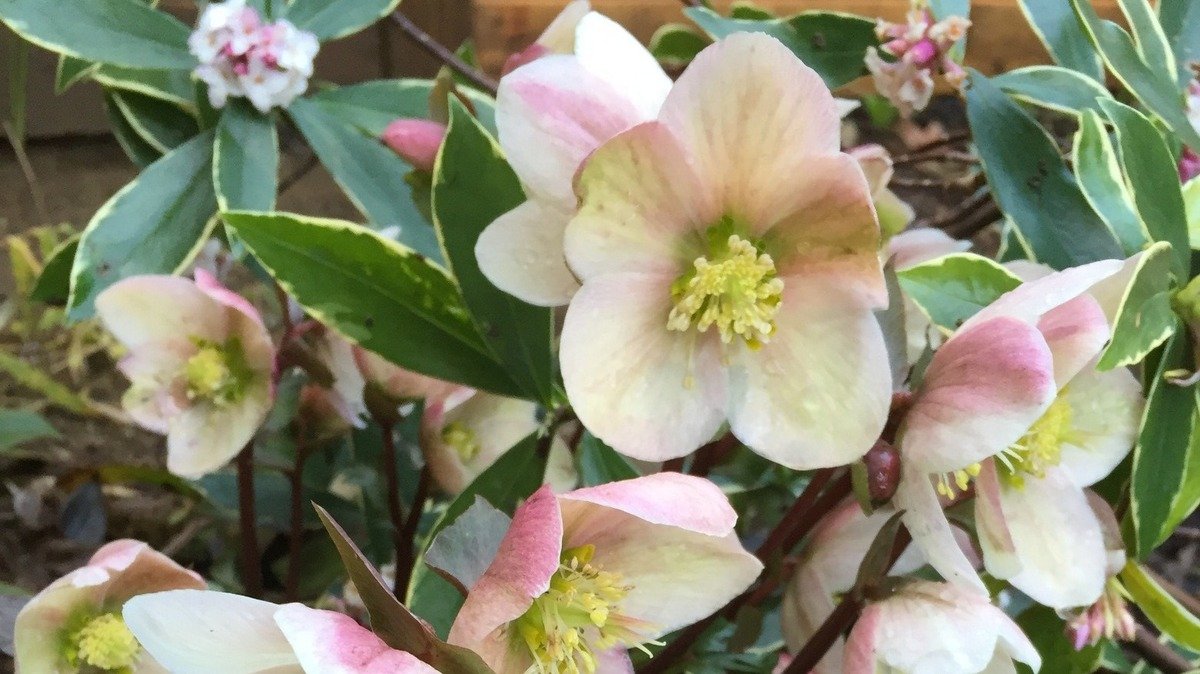
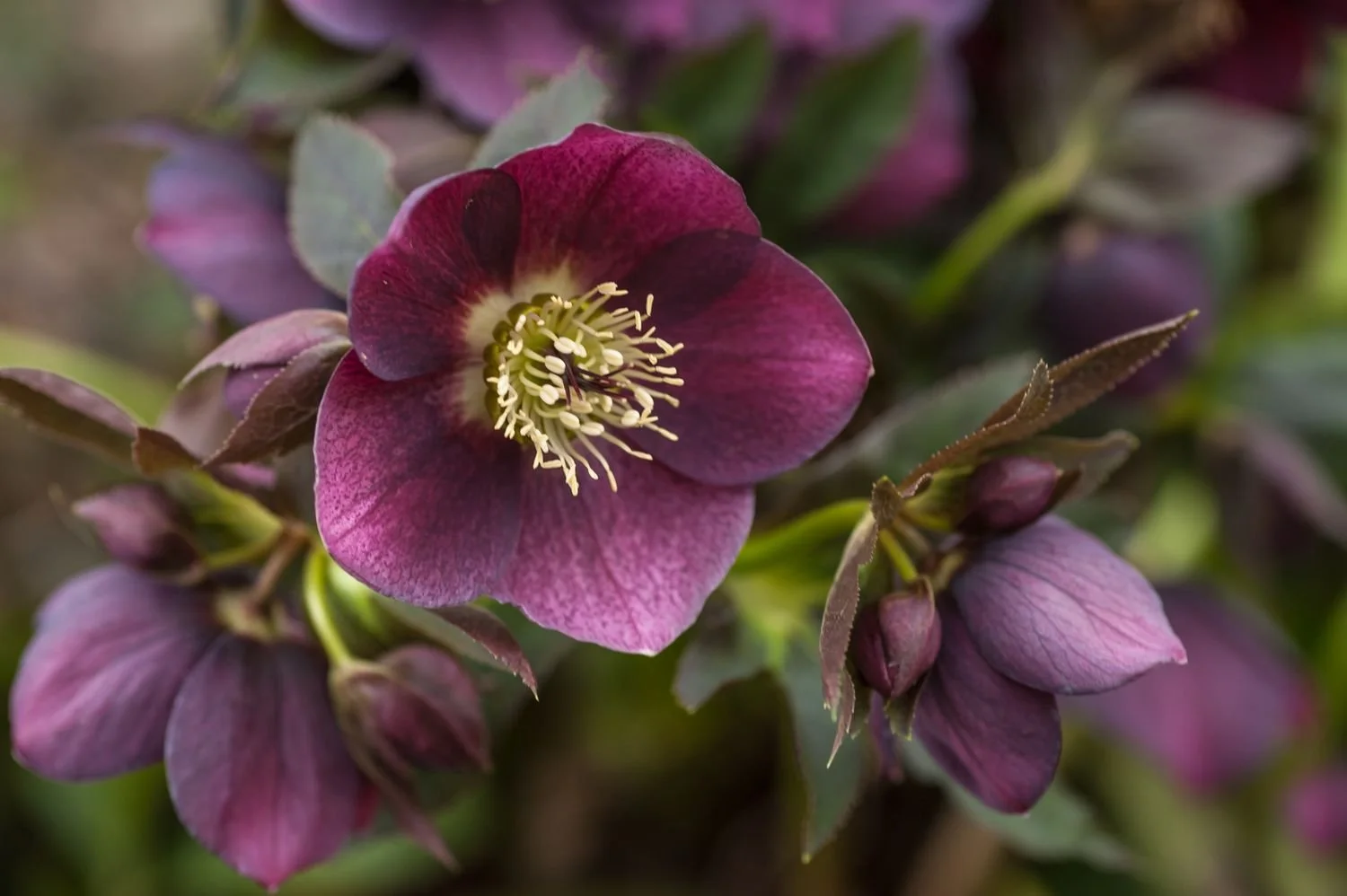
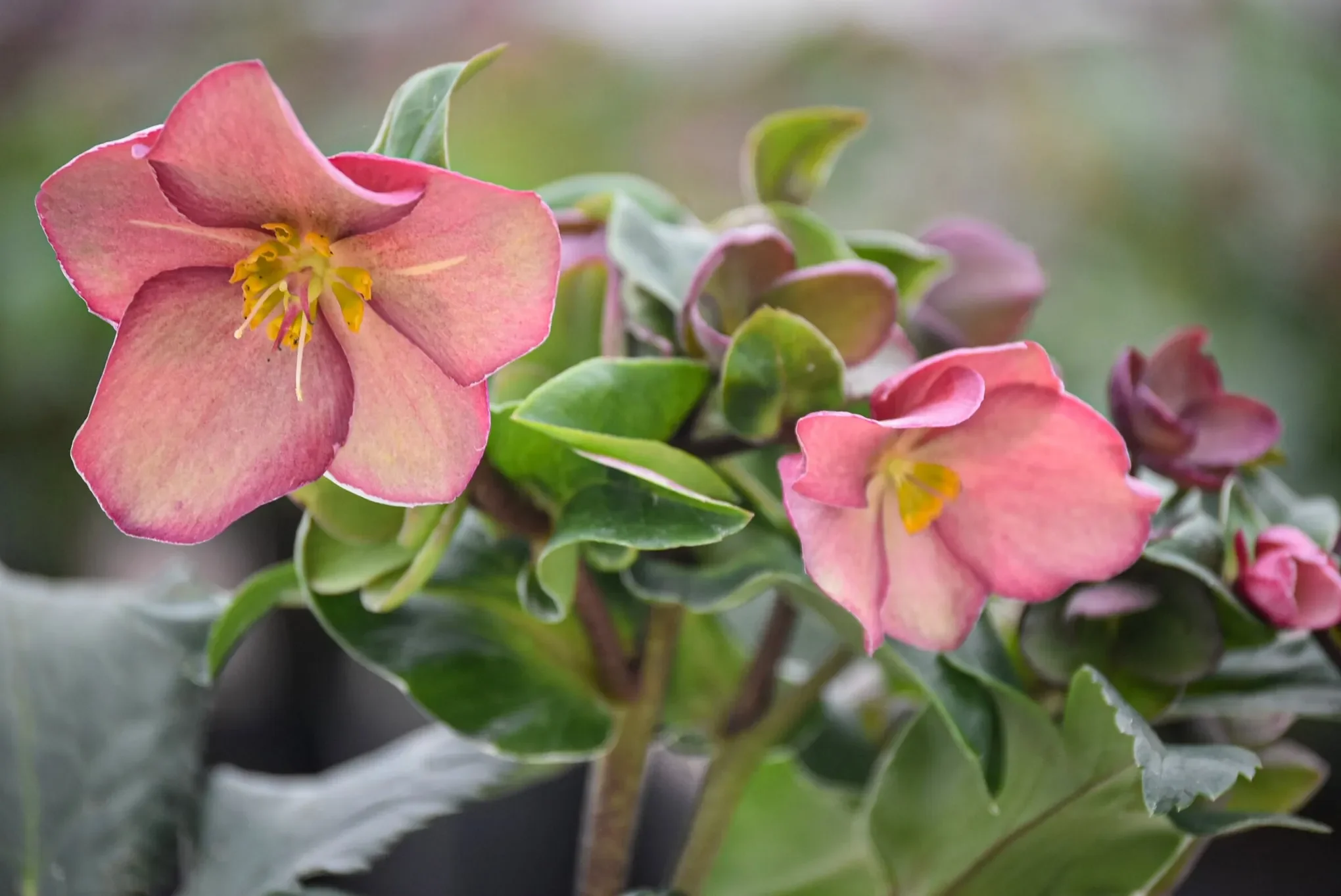
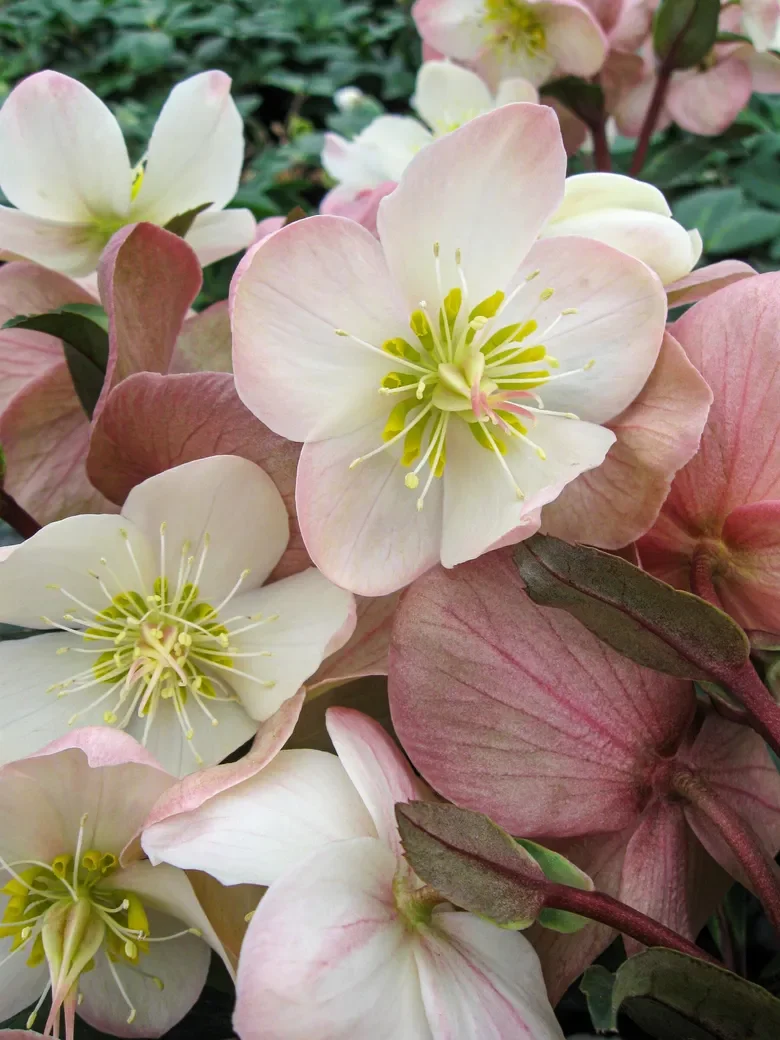
This one is a Pacific Northwest treasure. Hellebores bloom in late winter to early spring — sometimes as early as February — when everything else is bare. They’re elegant, shade-tolerant, and evergreen.
- Why they’re perfect here: They were practically made for our climate. They love our cool, damp winters and thrive under trees where little else will grow. Once planted, they reseed gently and improve every year.
Skip this one:
Lavender (in most Seattle yards) — I know, I know. Everyone loves lavender. But it genuinely struggles in Seattle’s wet winters and heavy clay soil. It craves excellent drainage and long dry summers — the opposite of what we offer. If you’re on a slope with sandy soil, go for it. Otherwise, you’ll be replacing it every year or two.
A Note on English Ivy and Morning Glory
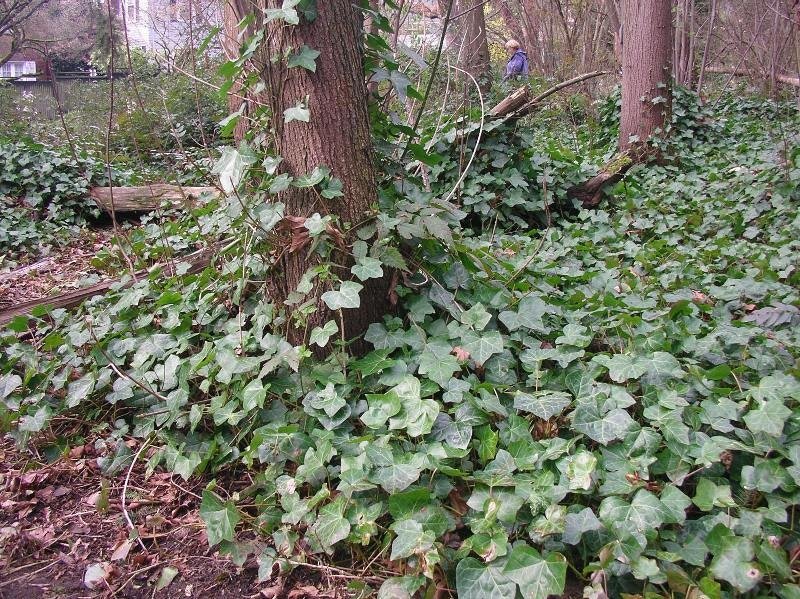
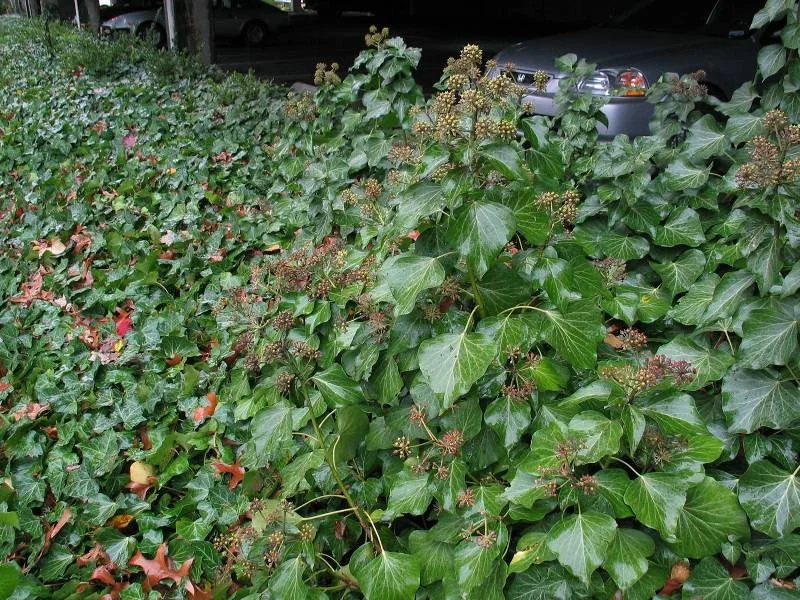
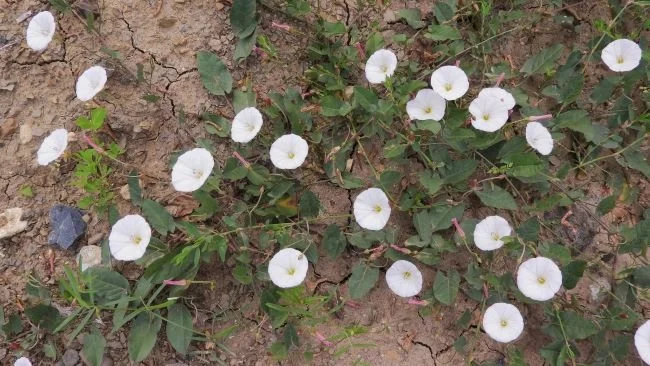
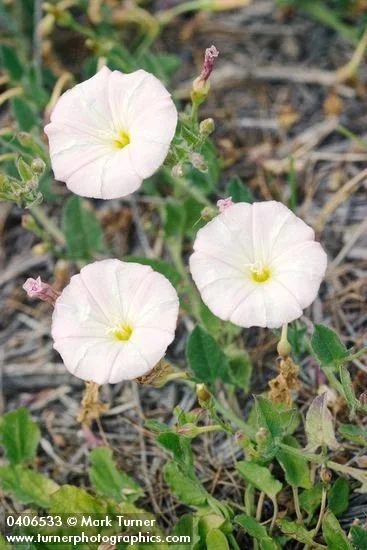
While we’re talking about things to avoid: if you’re buying or selling a home and there’s English Ivy or Morning Glory in the yard, it’s worth addressing before listing. Both are classified as noxious weeds in King County, and both can quietly take over a yard (and neighboring properties) if left unchecked. Buyers who are yard-savvy will notice. A little cleanup goes a long way.
For a flowering groundcover alternative, consider native kinnikinnick (*Arctostaphylos uva-ursi*) or creeping phlox — both are well-behaved, low-maintenance, and pretty.
Final Thought
Flowers don’t have to be complicated. A few well-chosen perennials that suit our climate will come back stronger every year and make a yard feel intentional and inviting — which matters whether you’re staying put or thinking about selling.
If you want to know what kinds of outdoor improvements tend to move the needle most for buyers in your neighborhood specifically, I’m always happy to chat.
-----
Katie Criddle is a Seattle-area real estate agent with Pointe3. She helps buyers and sellers navigate the South King County market with honest advice and a deep knowledge of local neighborhoods. Questions? Call or text: 206.940.5896