How to Tell If a Home Is Truly High-End (Beyond the Price Tag)
A $1.5 million home isn’t necessarily a luxury home.
That might sound surprising, especially in a market like Seattle’s where location can account for a significant portion of a home’s value. A house can command a seven-figure price because it’s in a highly desirable neighborhood, has access to excellent schools, offers an easy commute, or simply sits on a particularly valuable piece of land.
None of those things tell you how well the home itself was designed or built.
When you’re evaluating a high-end home, you have to look beyond the price tag. Look at the details—the decisions that were made during construction or renovation, the quality of the materials, and the little things that determines how a home functions day to day rather than surface level appearances.
Some of the best indicators of quality are things buyers don’t always look for.
Lighting That Was Designed, Not Just Installed
Lighting is one of the first things I notice in a well-designed home.
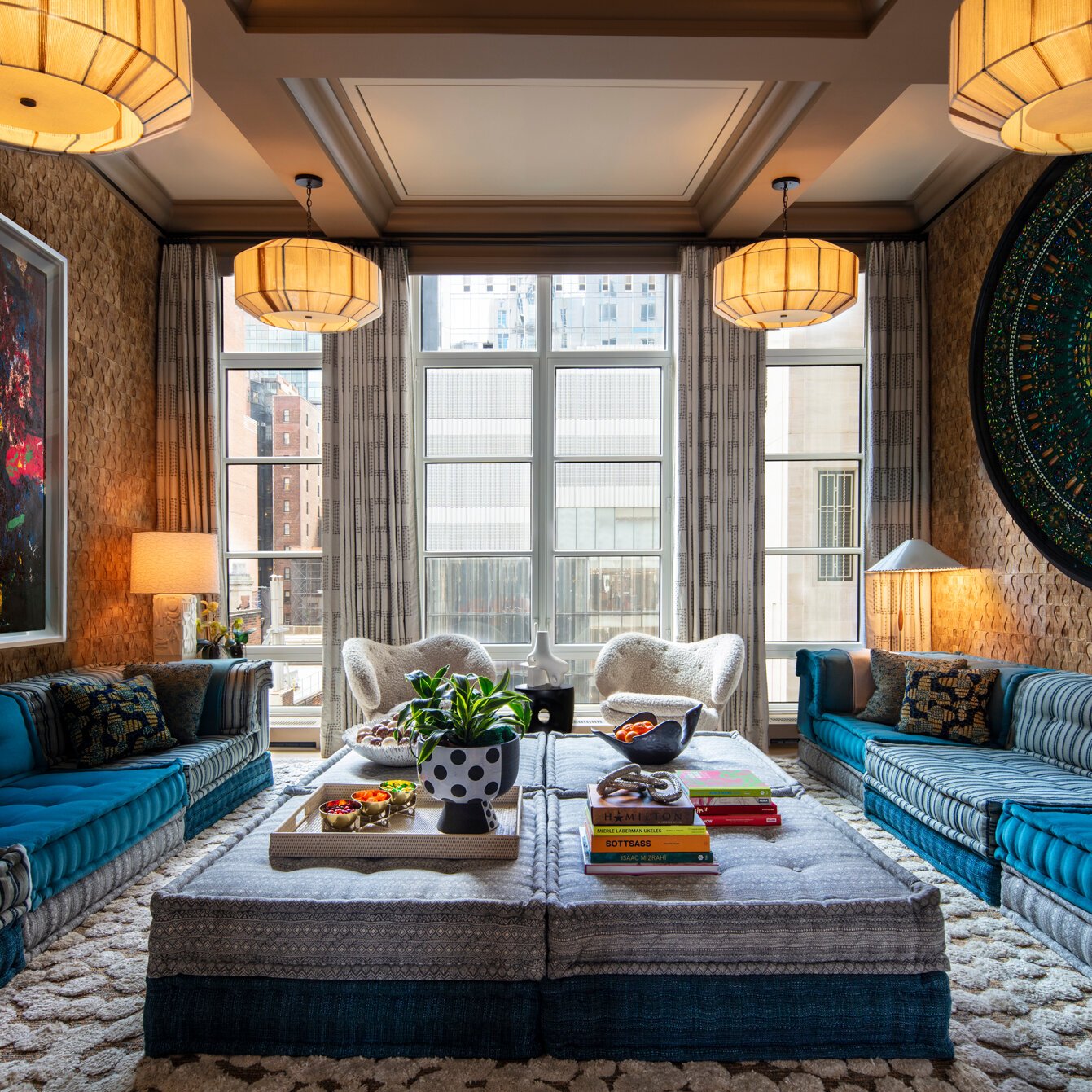
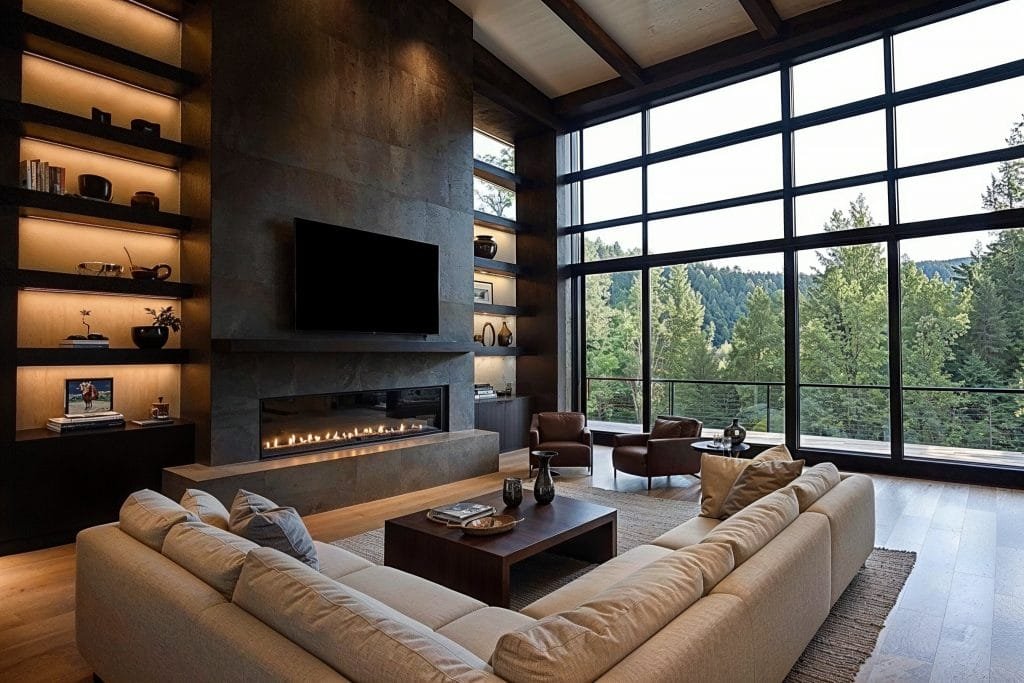
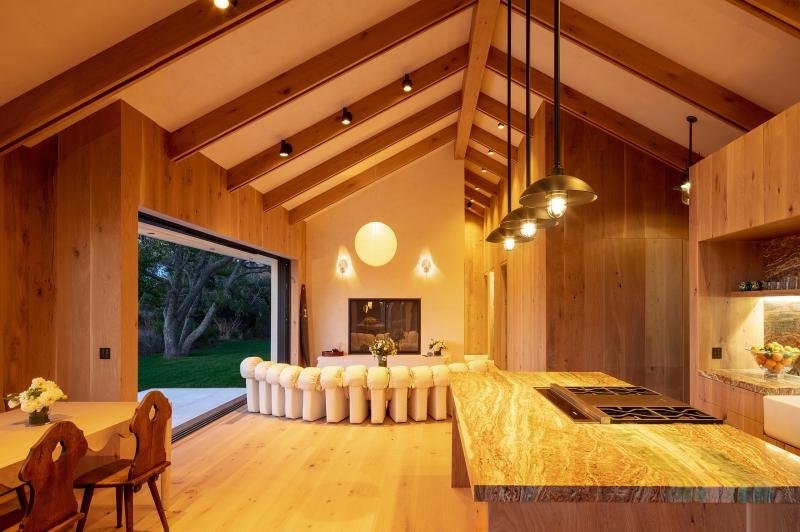
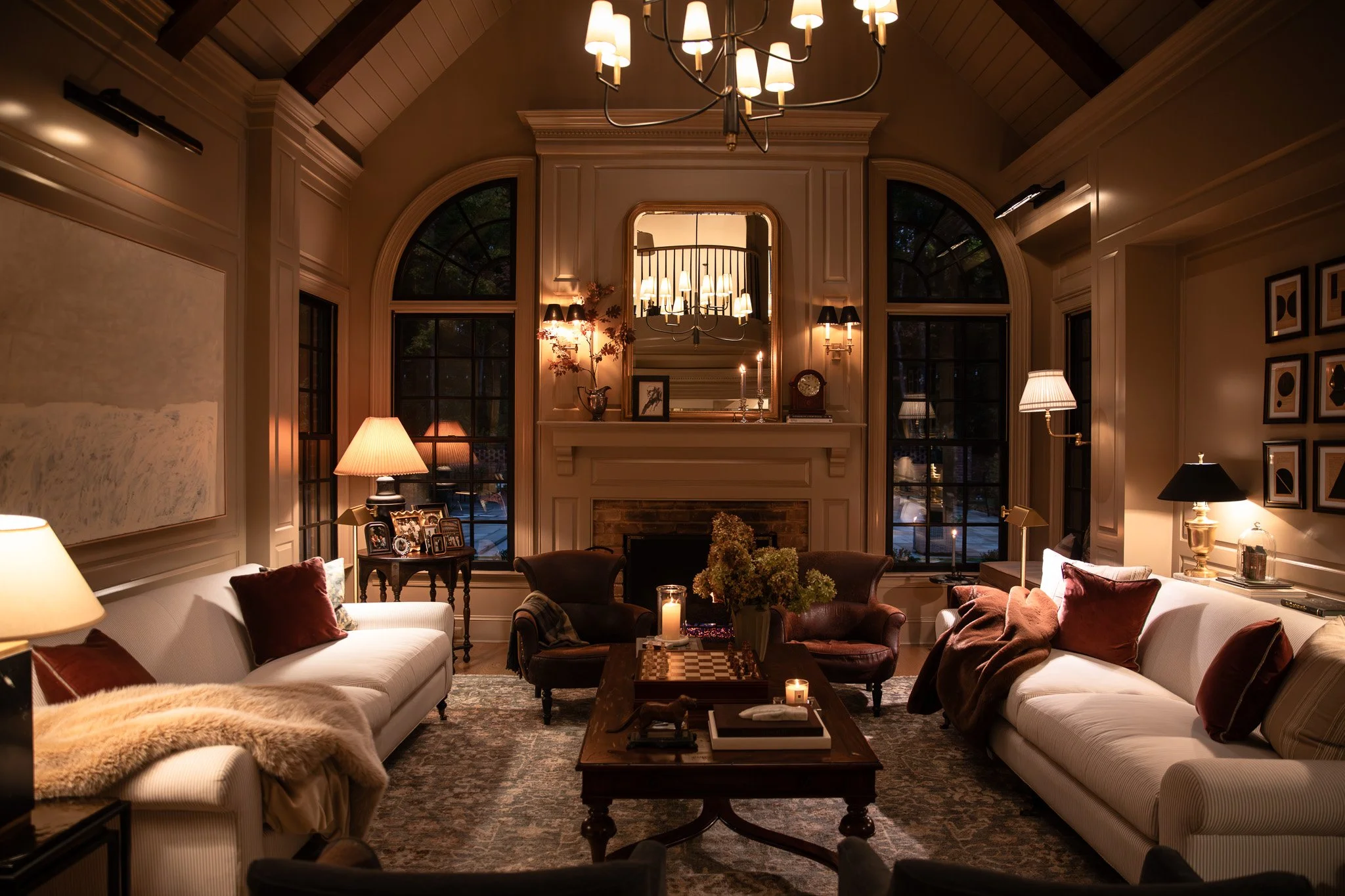
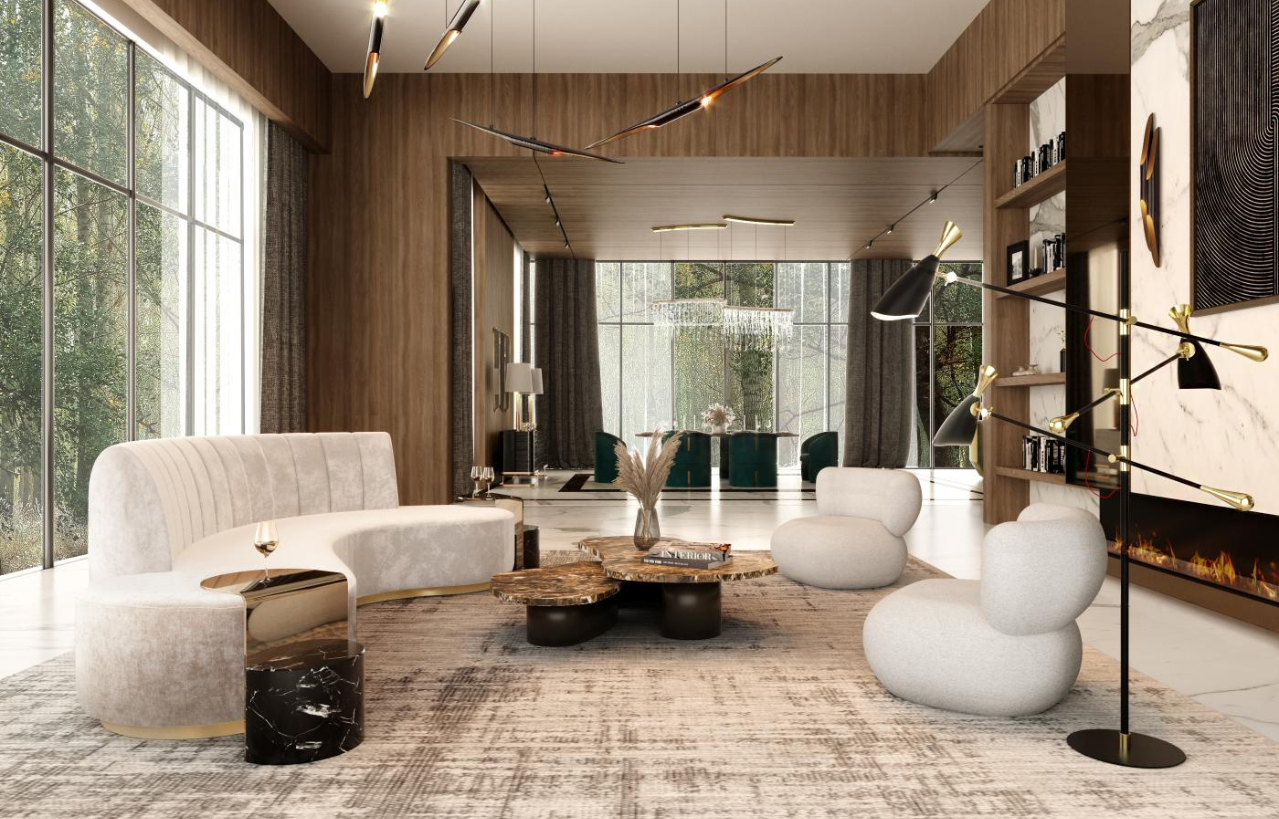
A high-end home rarely relies on a grid of recessed lights to illuminate every room. Instead, the lighting is layered: recessed lighting might provide general illumination while sconces, pendants, chandeliers, under-cabinet lighting, toe-kick lighting, or architectural lighting add warmth and dimension.
Dimmers are thoughtfully placed. Decorative fixtures become part of the design rather than an afterthought. Lighting is positioned to highlight artwork, architectural details, countertops, or a beautiful view.
The result isn’t simply a brighter house. It’s a home that feels different throughout the day and can be adjusted for how you’re actually using the space.
Doors and Hardware That Feel Substantial
This is one of those details you might not consciously notice until you’ve experienced the difference.
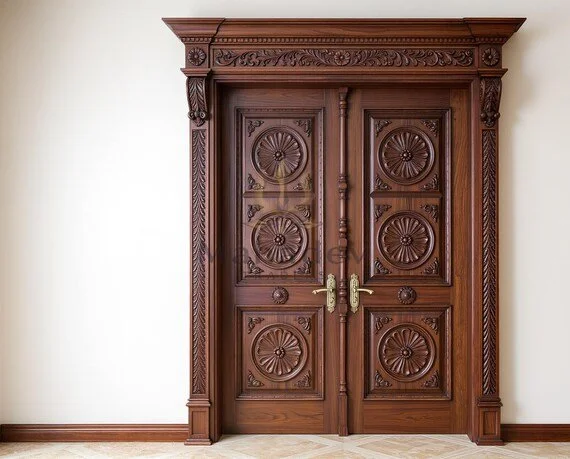
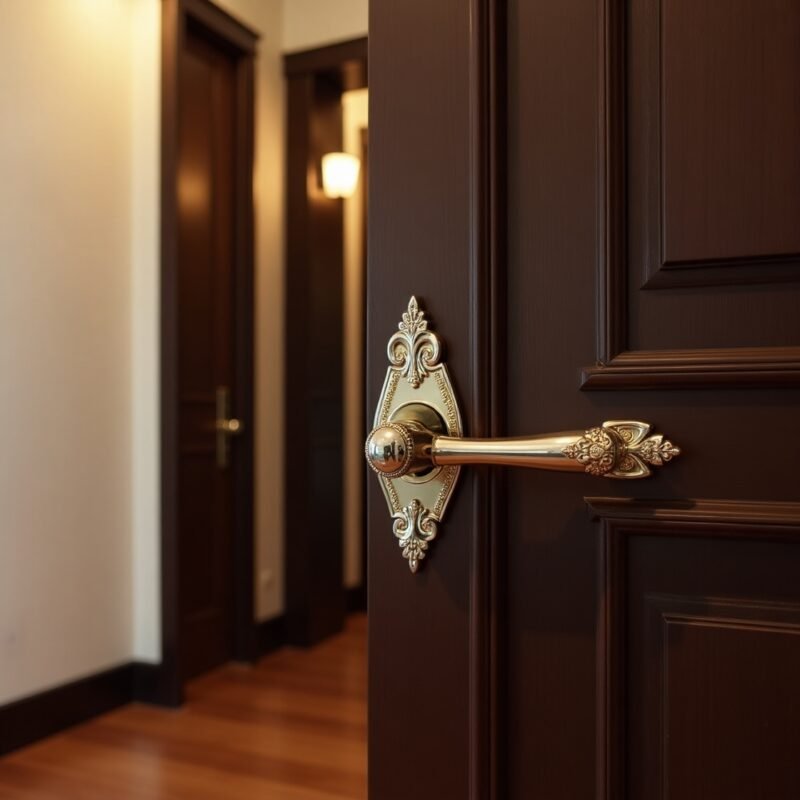
Open a door in a truly well-finished home. Feel the weight. Look at the hinges. Pay attention to the hardware.
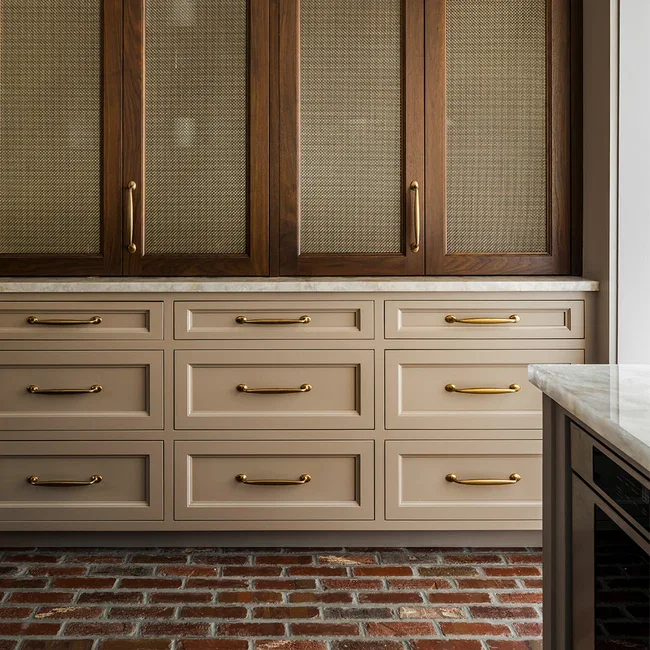
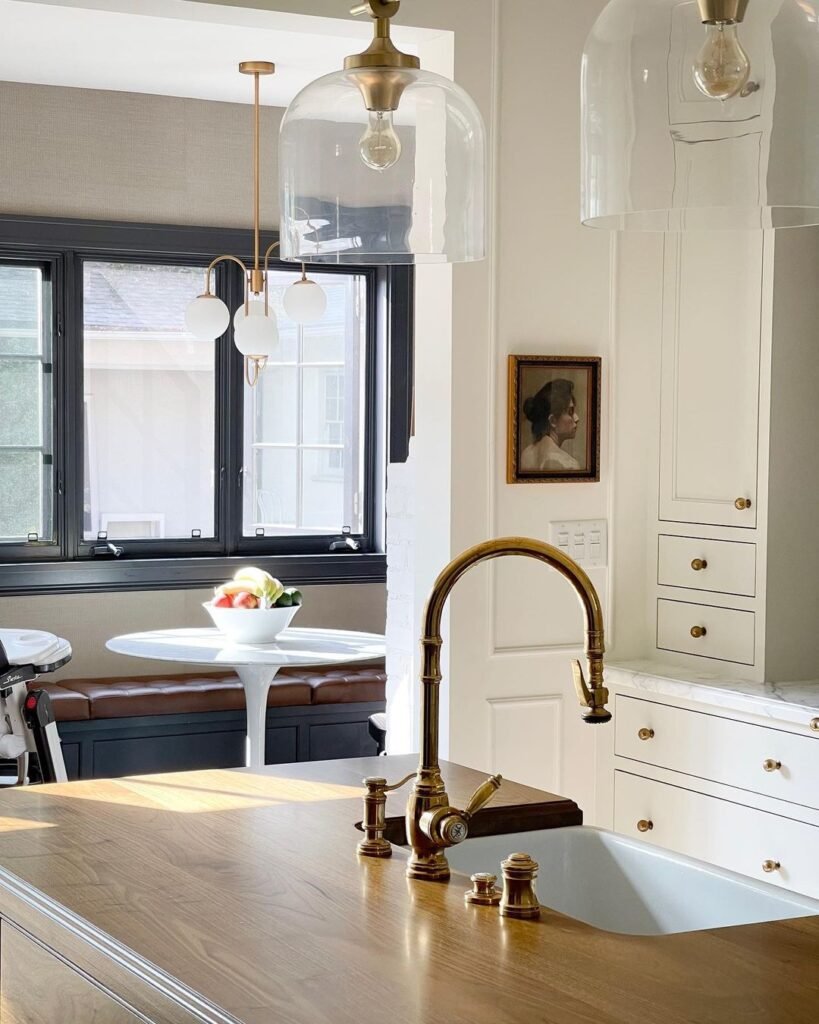
Solid-core doors, quality hinges and substantial door hardware can make an immediate difference in how a home feels. The same is true of cabinet pulls, drawer hardware and plumbing fixtures.
What many people don’t realize is you can’t always see luxury sometimes, you feel it.
Millwork With the Right Proportions
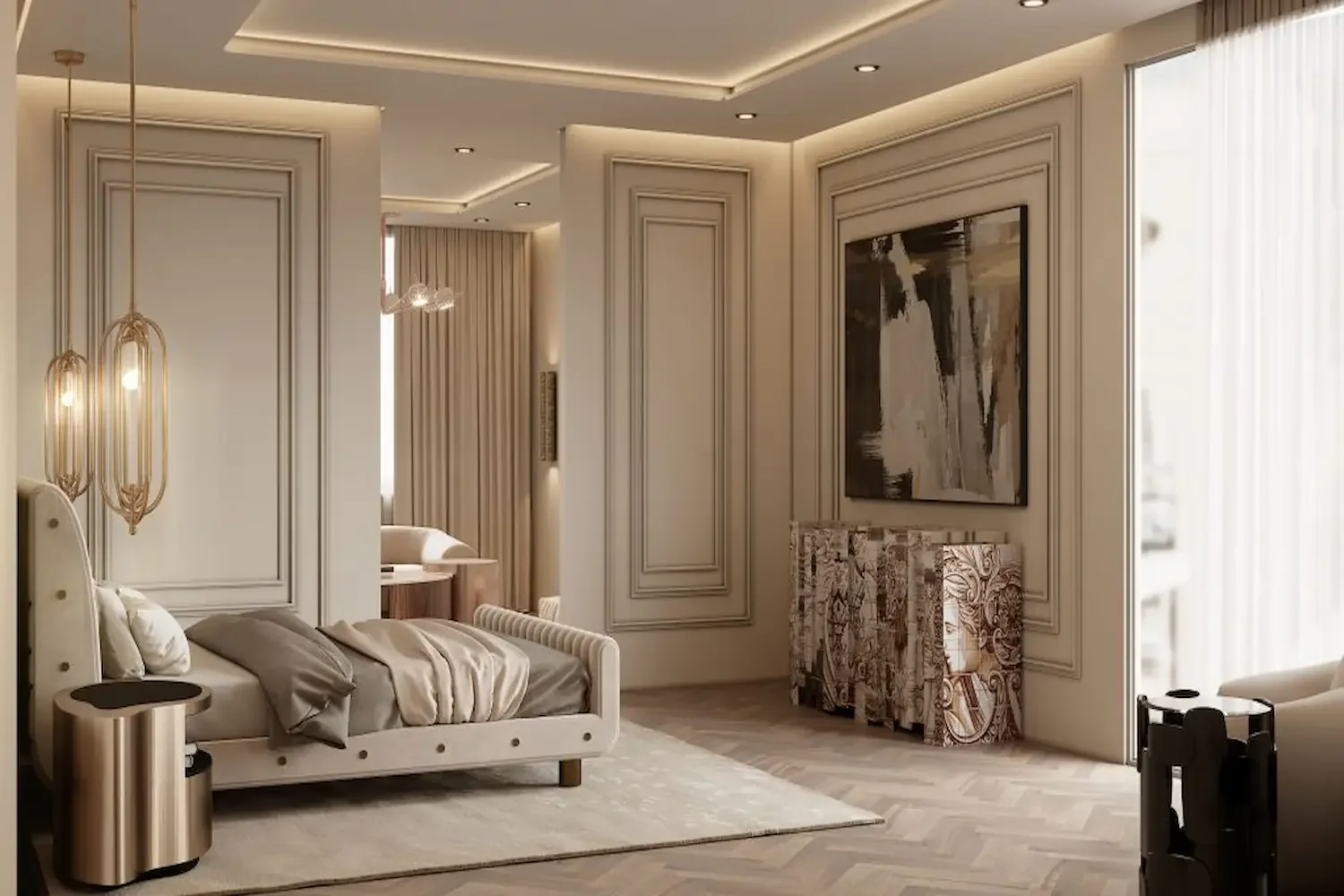
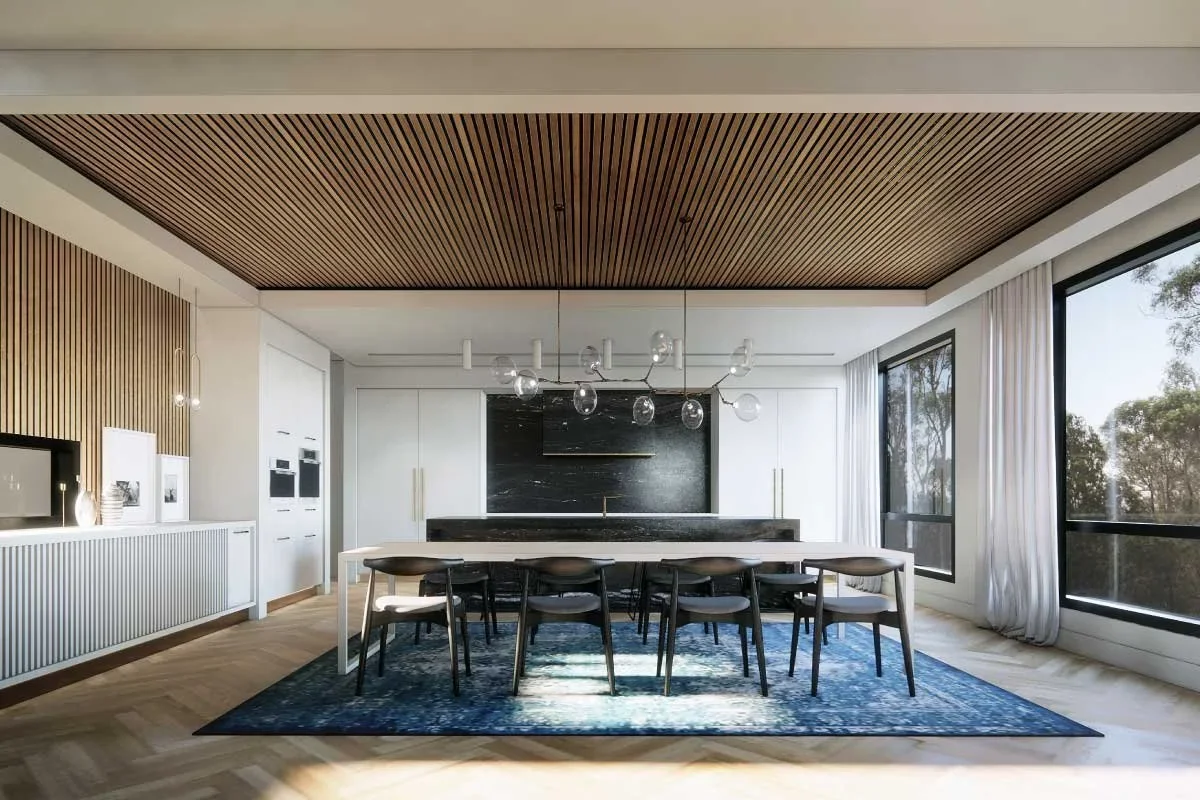
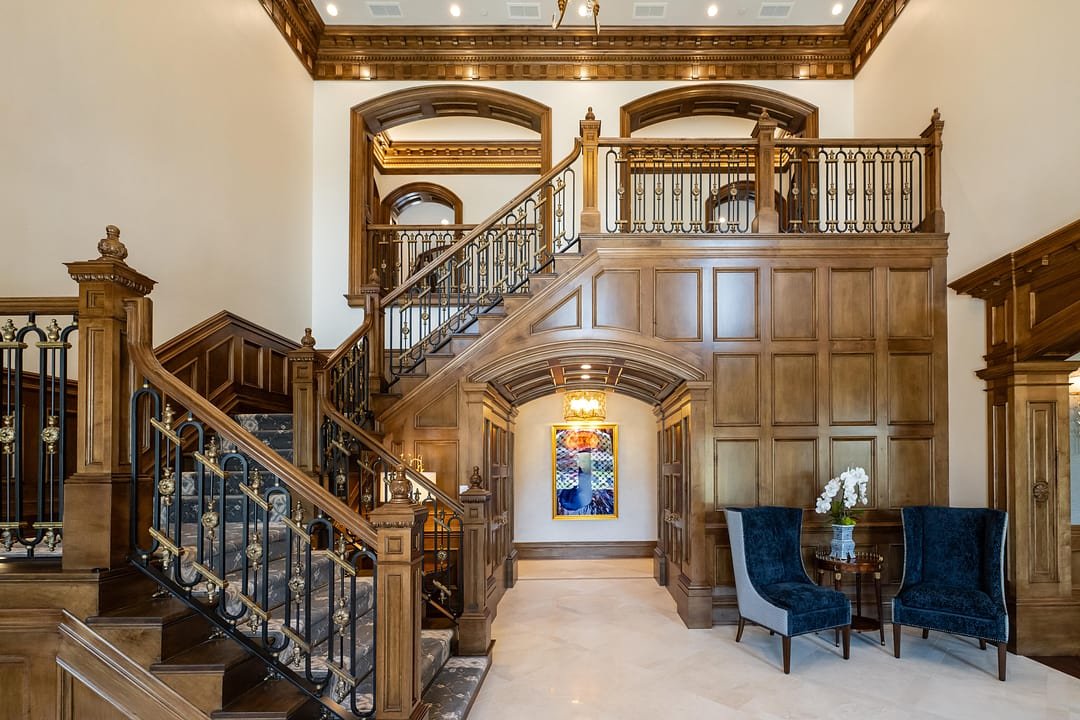
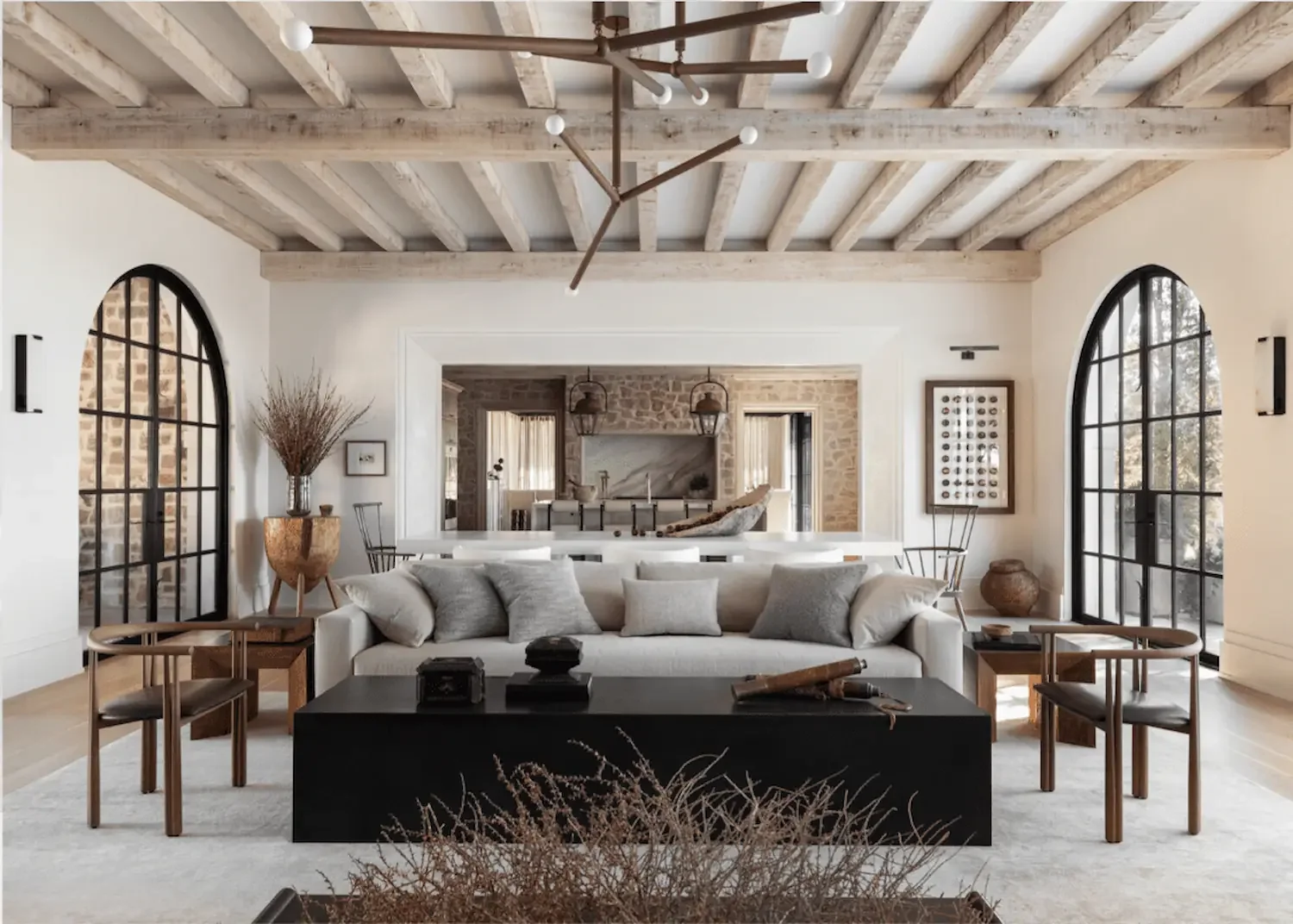
Baseboards, crown molding, wainscoting, picture-frame molding and wall paneling aren’t inherently luxurious. What matters is how they’re used.
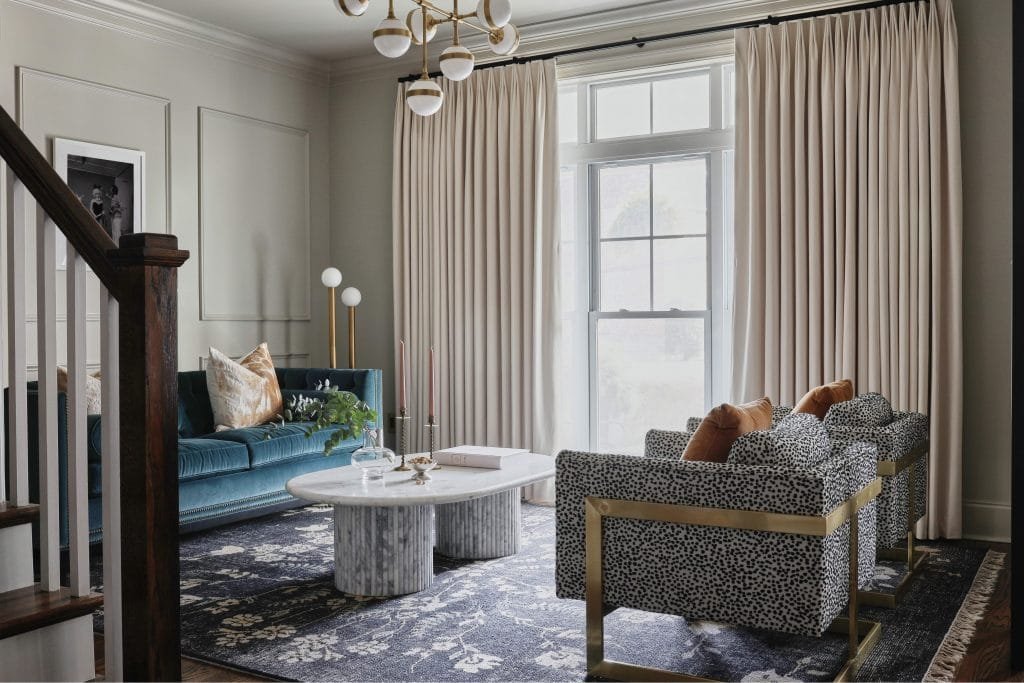
In a high-end home, millwork typically feels intentional and appropriately scaled to the architecture. It may be simple and understated, or it may be more elaborate, but it looks like it belongs there.
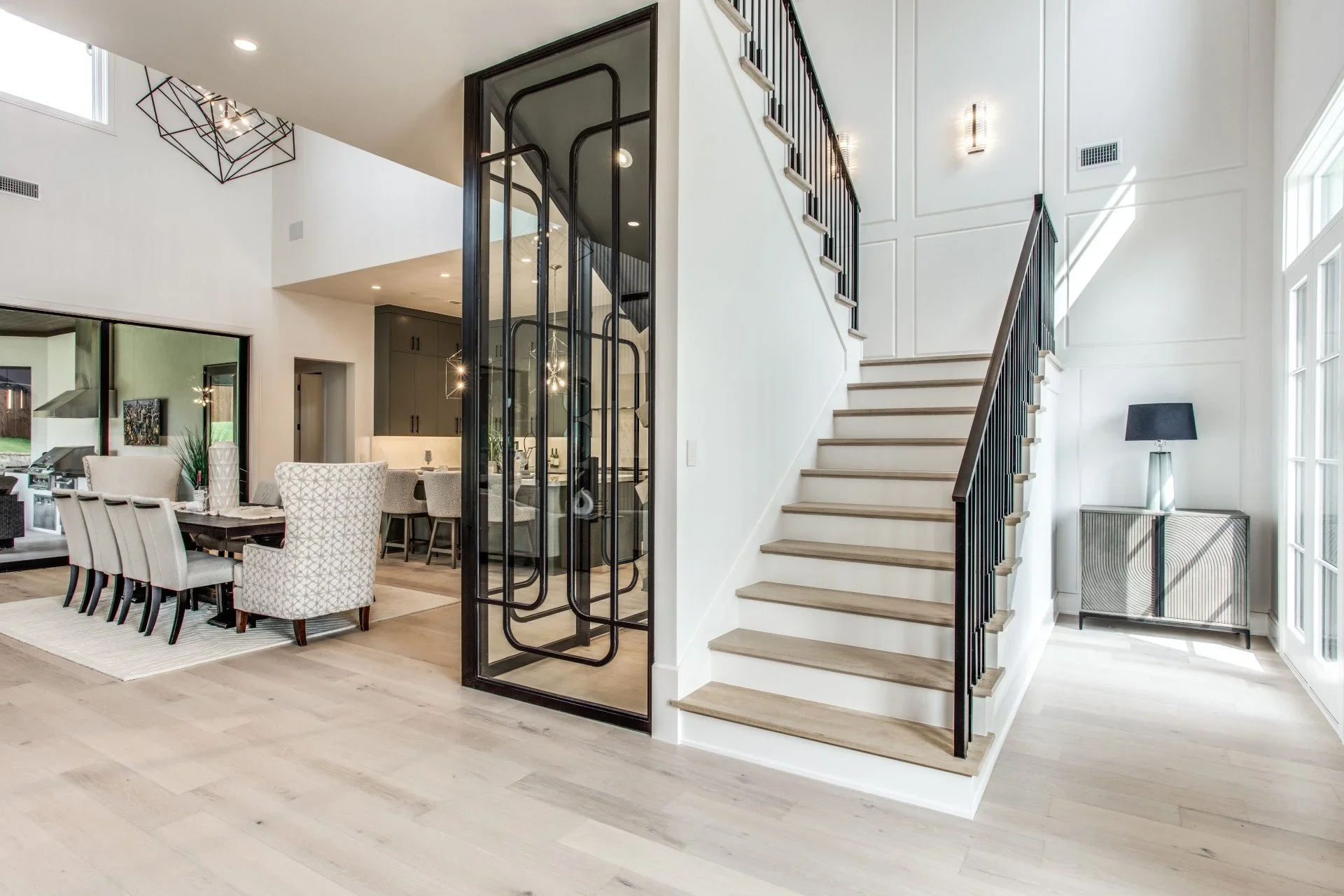
You might see substantial baseboards, beautifully proportioned crown molding, custom beams, coffered ceilings, vertical paneling or a full wall of architectural millwork.
It’s not about adding more detail simply for the sake of detail. It’s about creating architecture where the home needs it.
Custom Cabinetry and Built-Ins
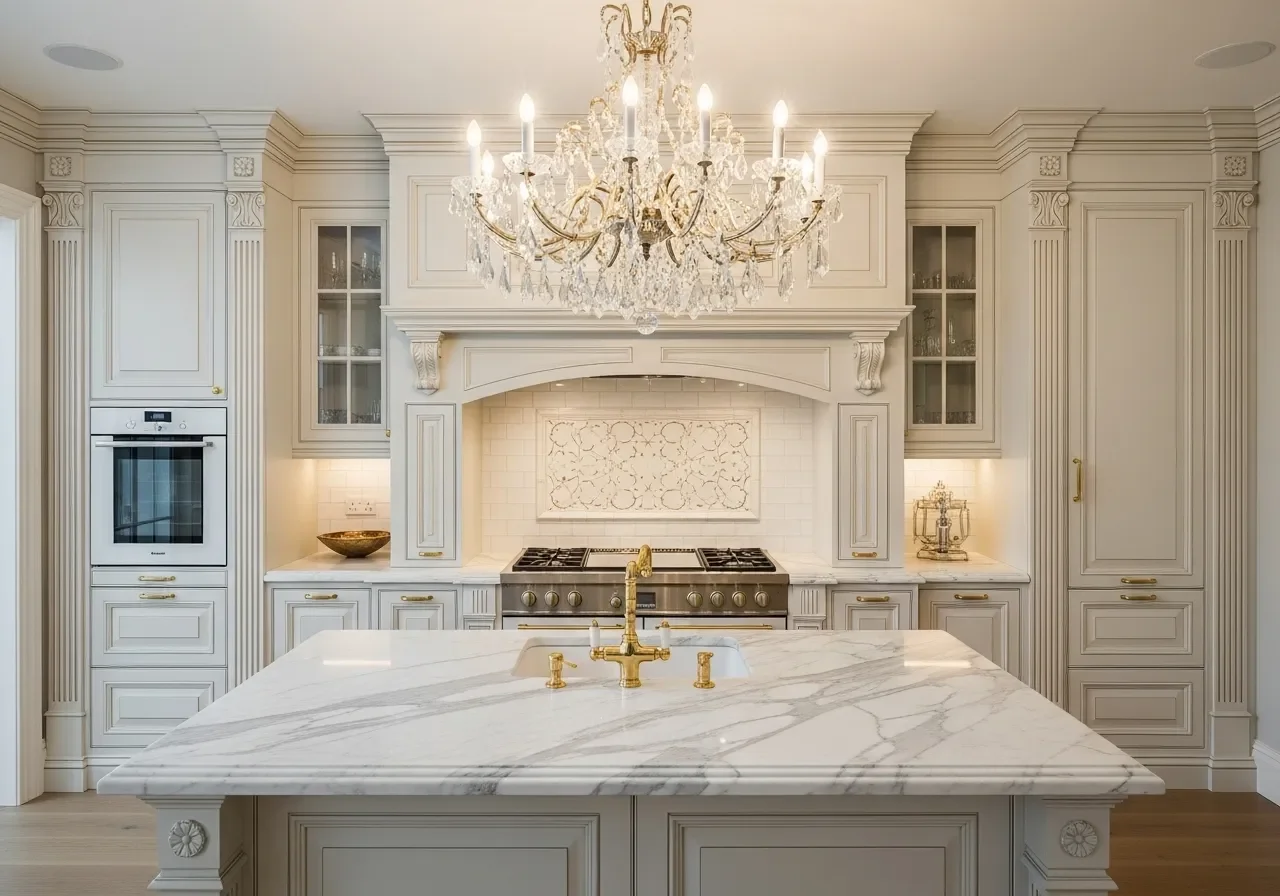
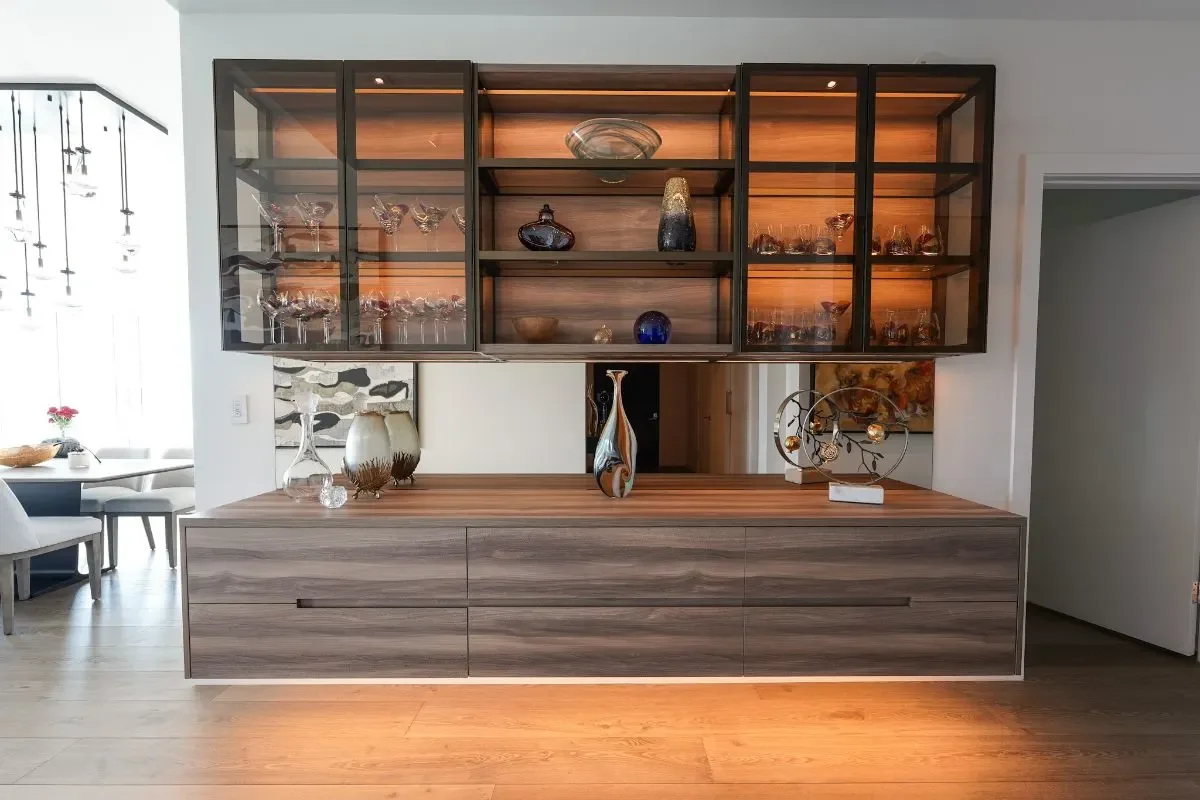
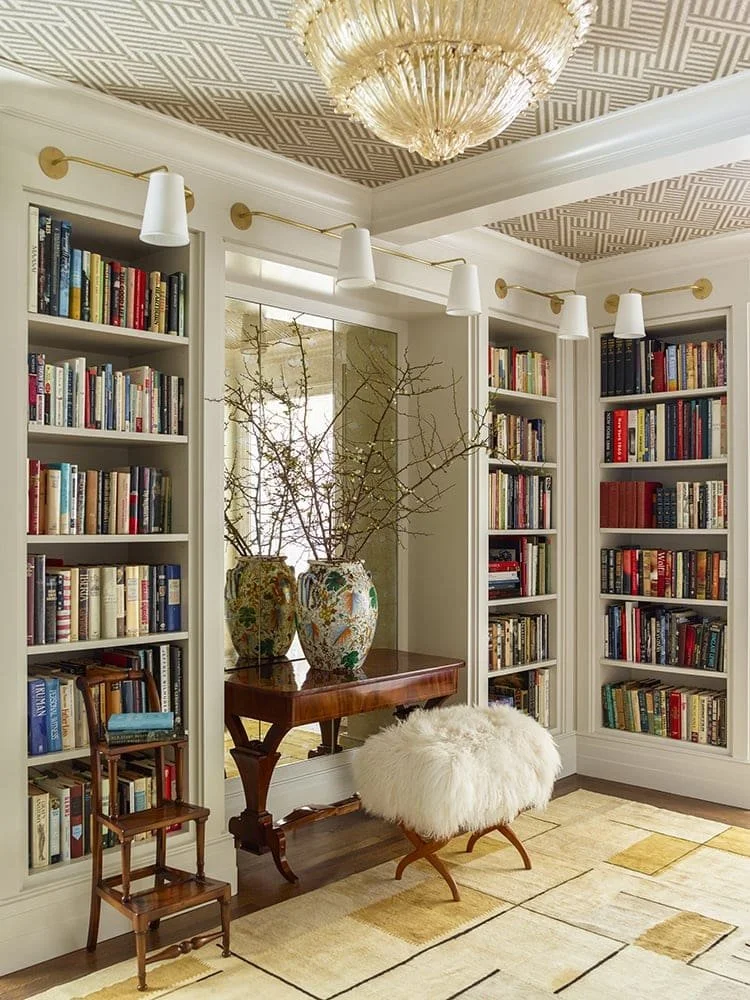
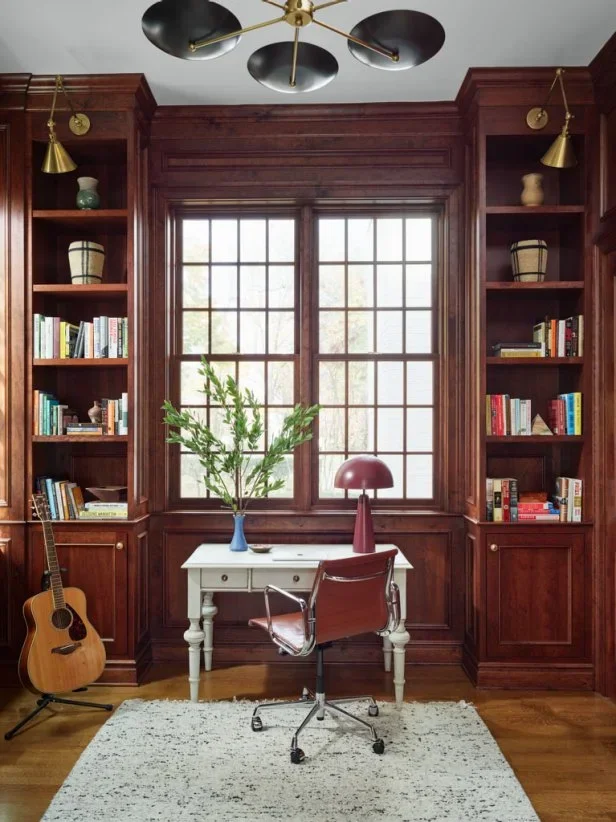
One of my favorite things to look for is cabinetry that was designed specifically for the home.
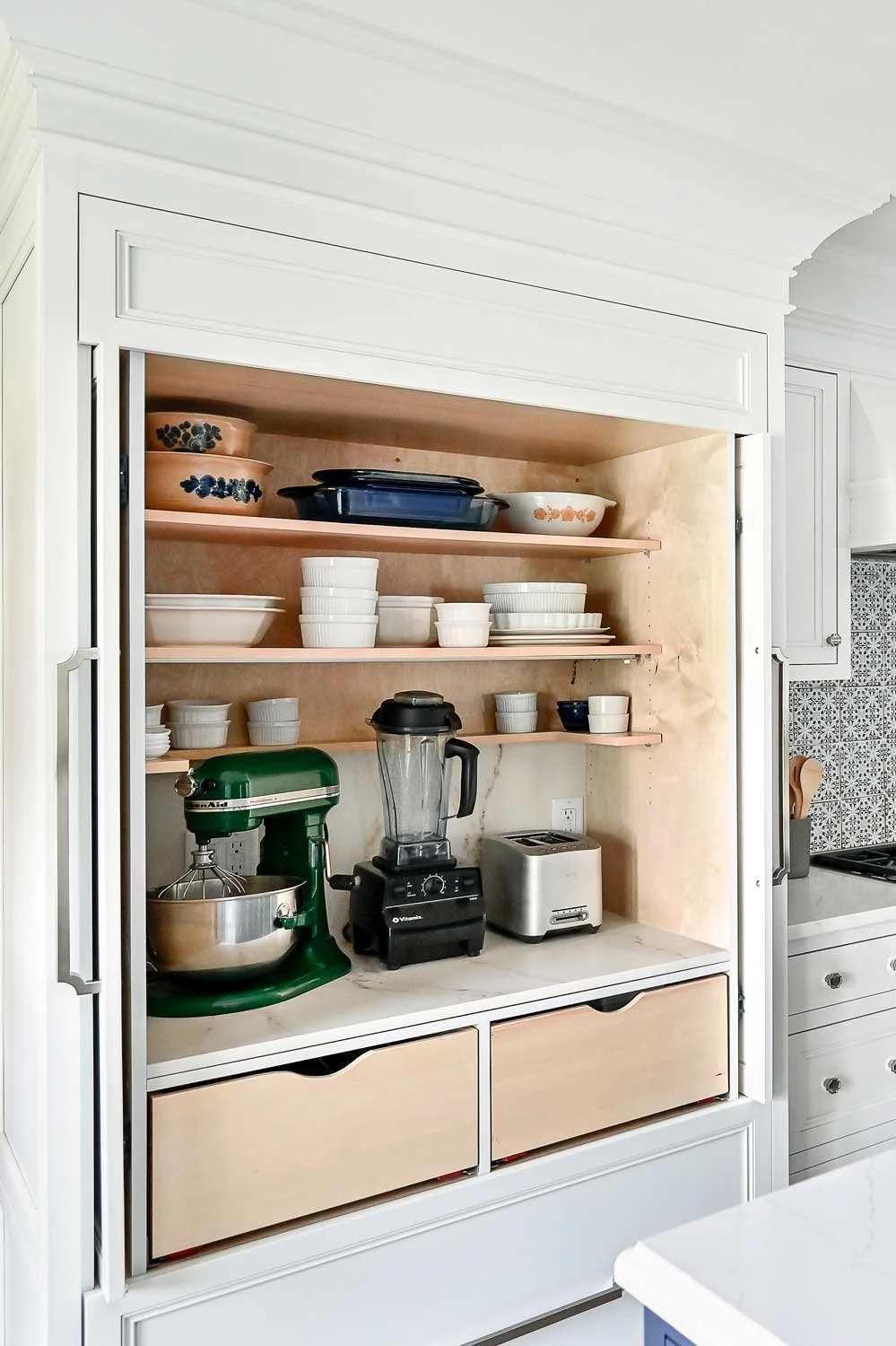
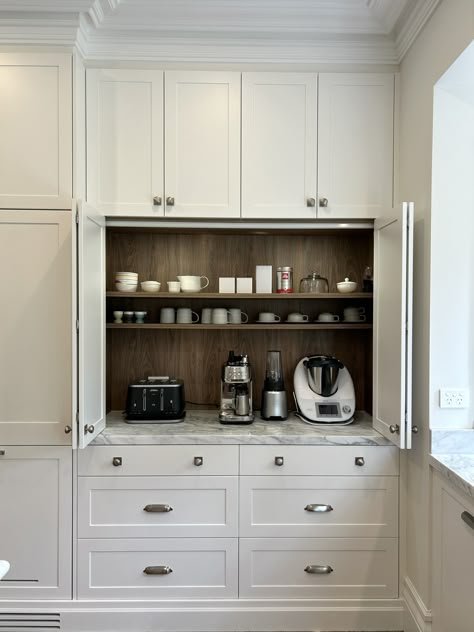
Custom cabinetry makes it possible to use every inch of a space, accommodate unusual dimensions, conceal appliances and create storage that actually works for the way a family lives.
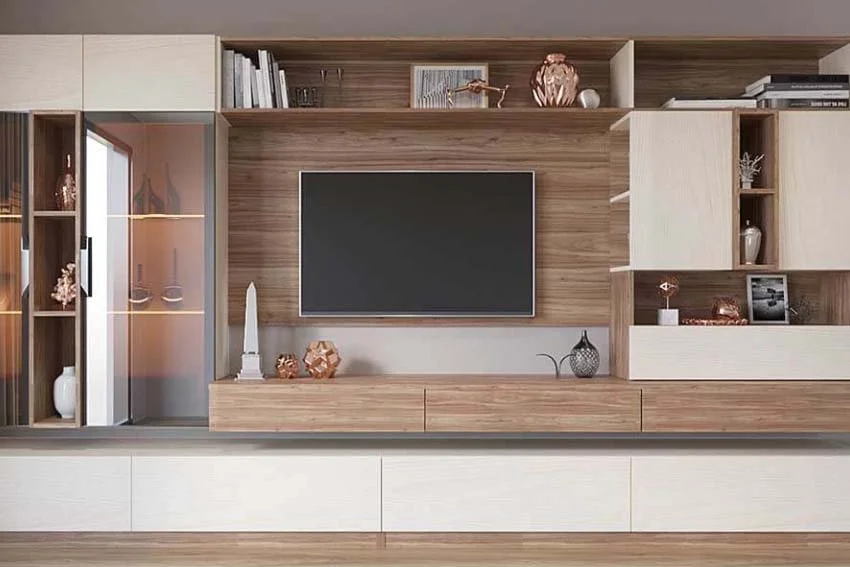
Look for full-height cabinetry, furniture-quality finishes, integrated appliances, custom drawers and built-ins that feel like part of the architecture rather than something purchased and placed in the room.
A beautiful built-in should look as though the house was designed around it.

The Things You Don’t See
This might be one of the biggest differences between an expensive home and a truly high-end home: the clutter has been designed out.
Where are the charging cords? Where is the Wi-Fi equipment? Where do you put the toaster? Where does the trash go? Where do all those everyday things that tend to accumulate on our counters actually live?
In a thoughtfully designed home, they’re often hidden.
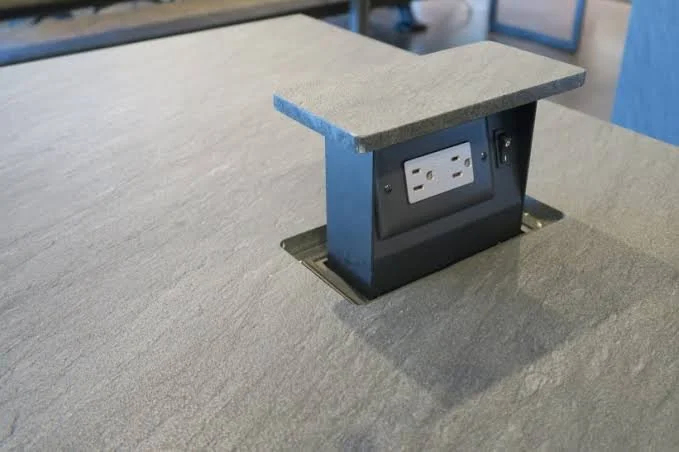
You might find an integrated charging drawer, cabinetry designed to conceal small appliances, a dedicated space for smart-home equipment, hidden TV wiring or built-in storage for everyday necessities.
Even something as simple as the soap beside your kitchen sink can be an intentional detail. Instead of a plastic bottle leaving water rings on the counter, a beautiful stone soap tray made from a moisture-absorbing material can keep the area dry and visually uncluttered.
These aren’t the features that necessarily show up in an MLS description. But they make an enormous difference in how a home functions.
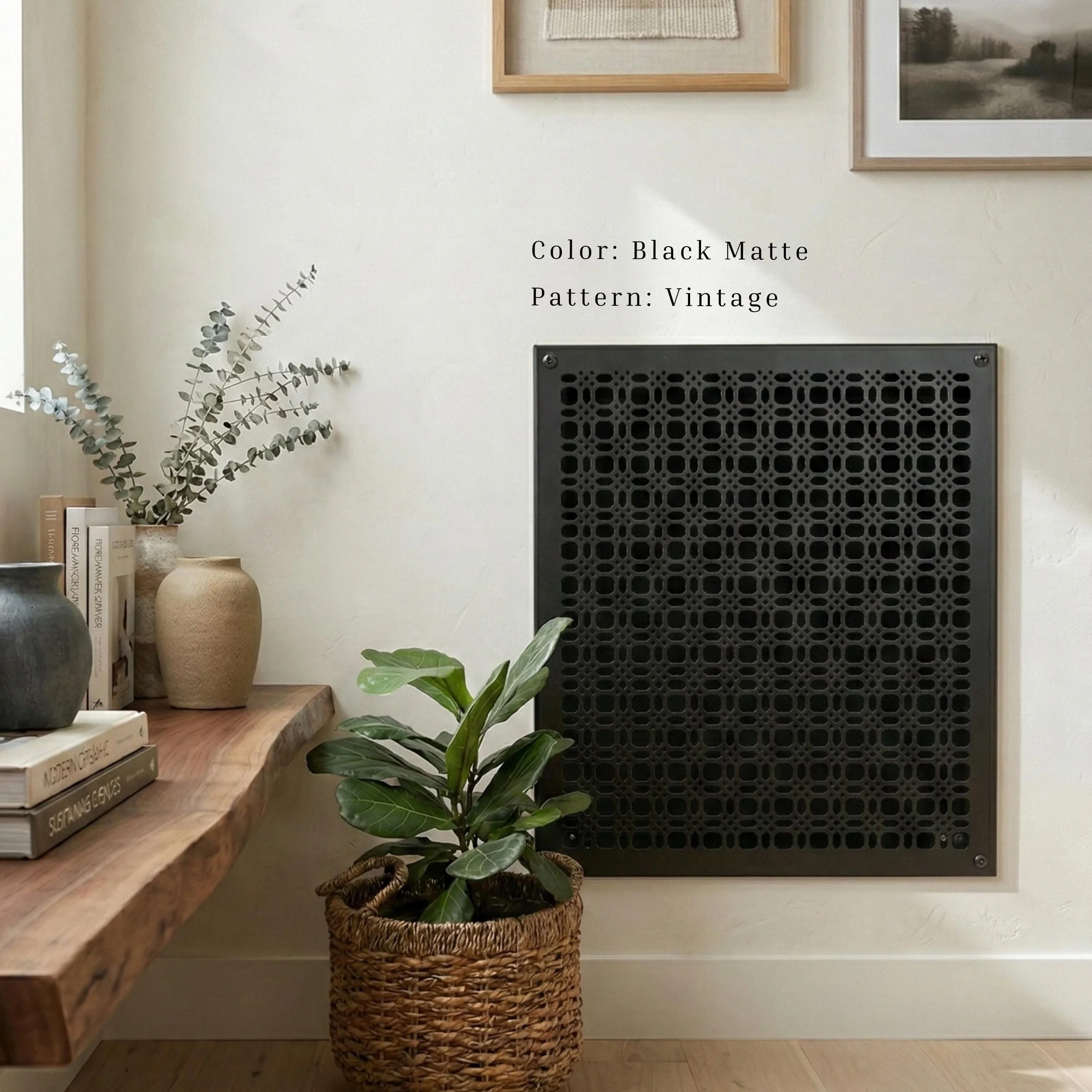
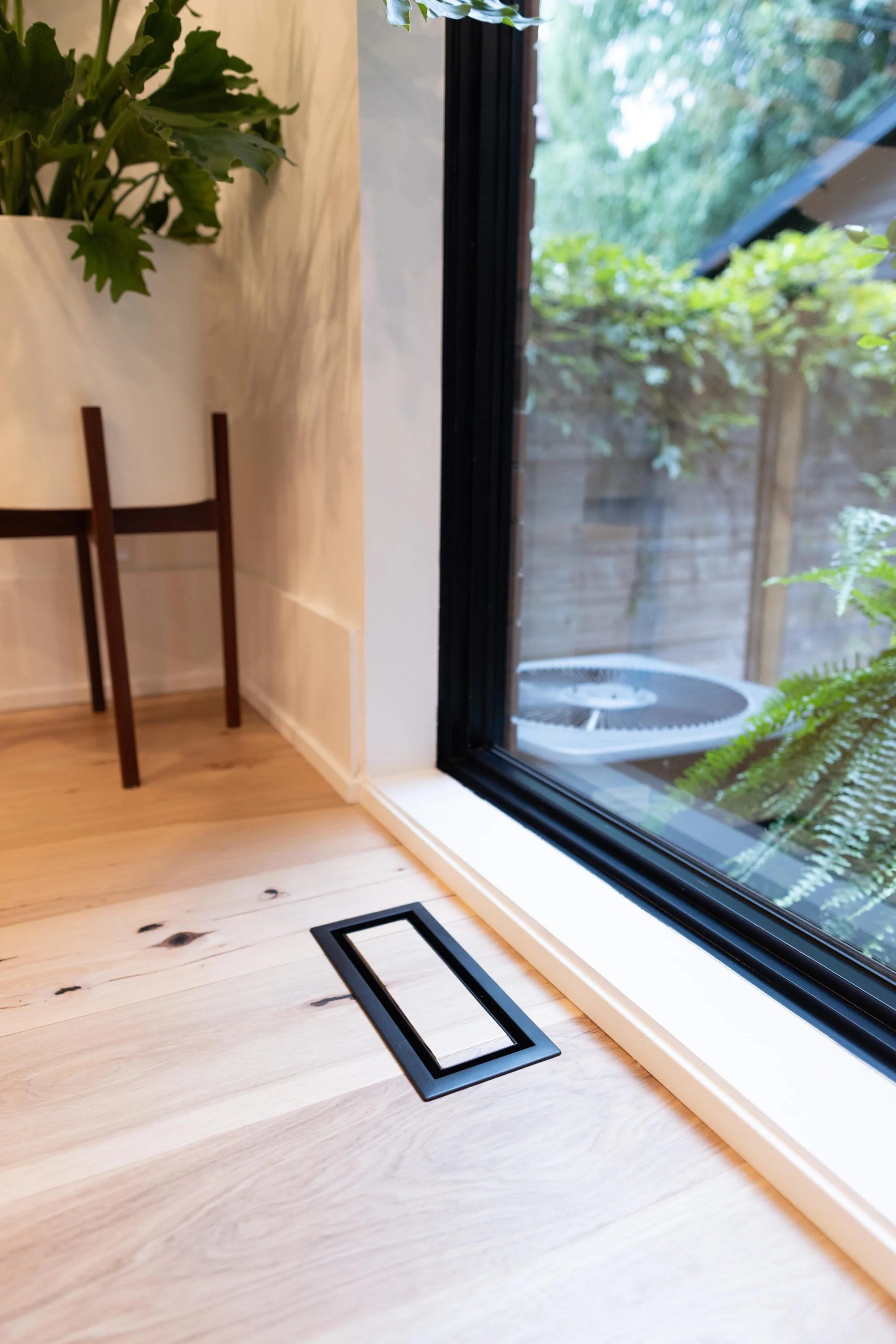
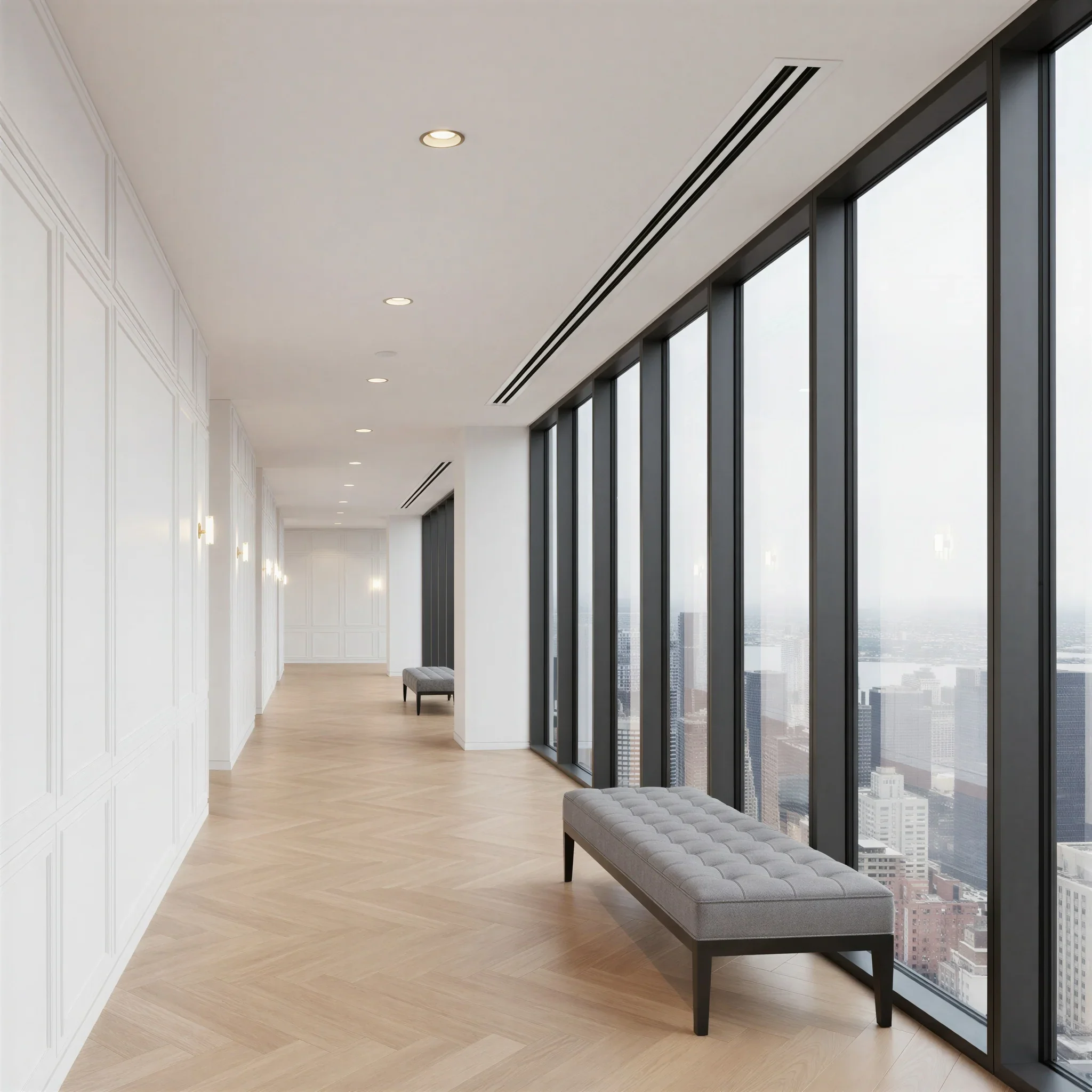
Look at the HVAC Registers
Here’s a detail most buyers probably aren’t looking for—but I am.
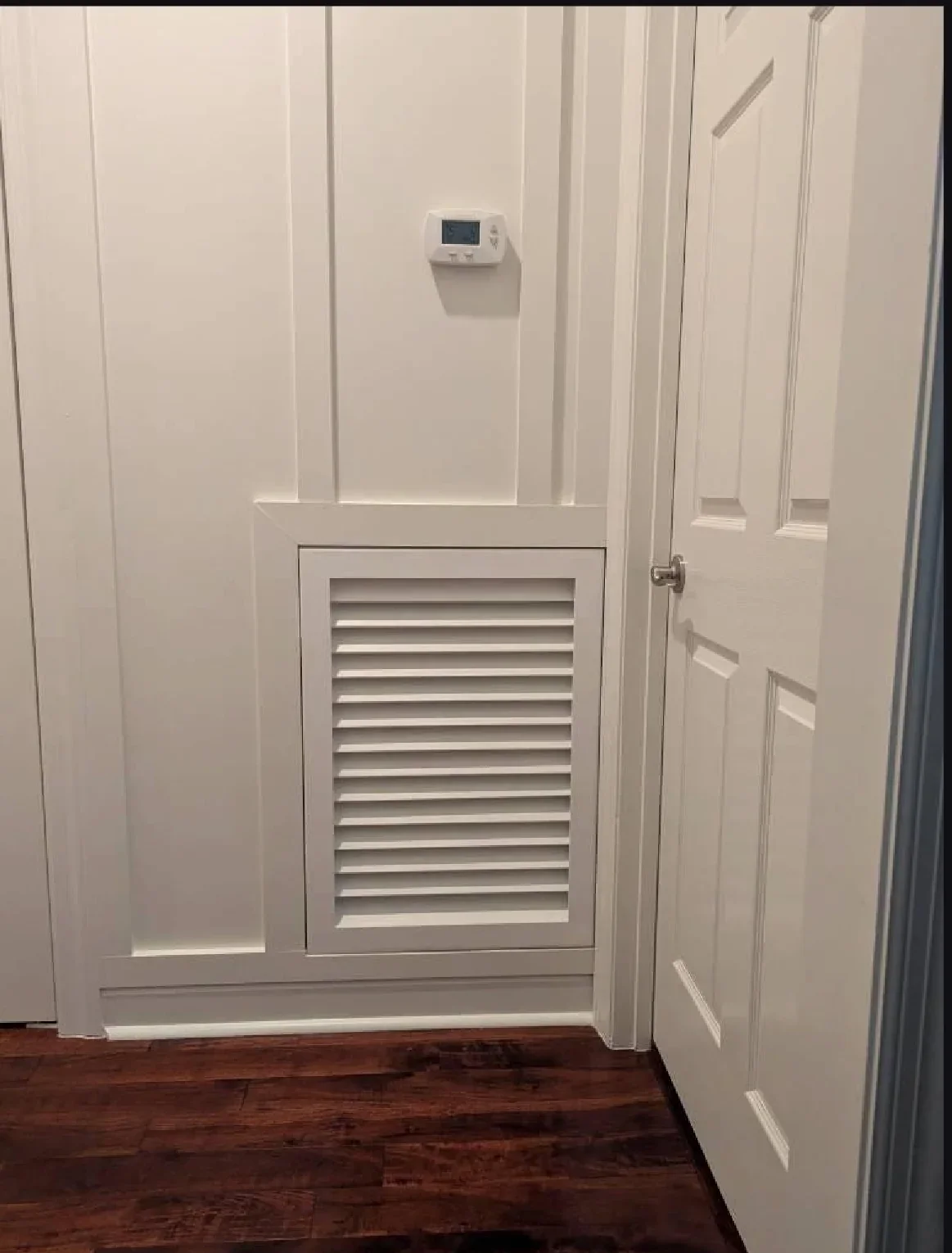
Standard stamped-metal HVAC registers can interrupt an otherwise beautifully designed room. In a high-end home, you may instead see flush wood registers, decorative metal grilles or linear diffusers that are integrated into the design.
It’s a tiny detail and that’s exactly the point — When a builder or designer has paid attention to something as mundane as an HVAC register, there’s a good chance they’ve paid attention to a lot of other details, too.

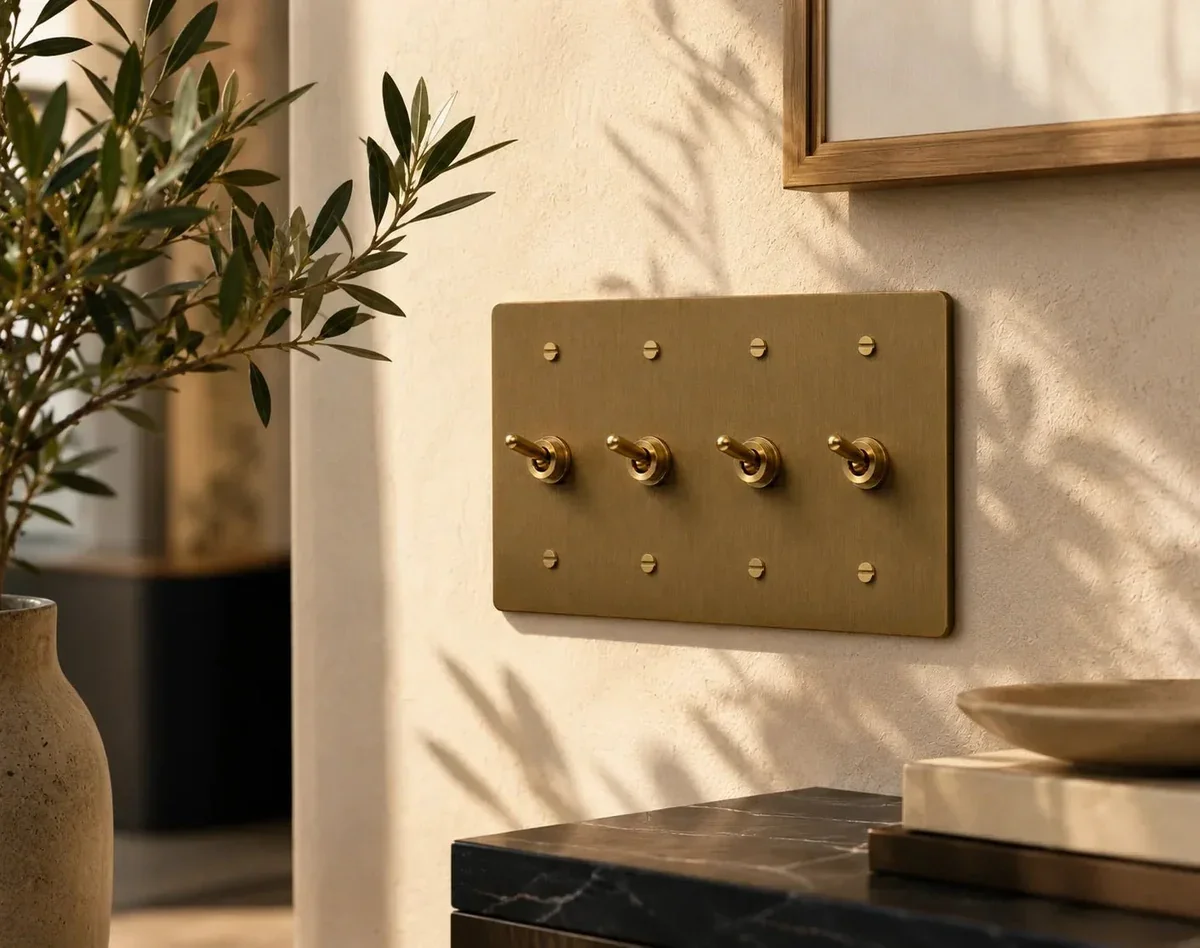
Don’t Underestimate the Switch Plates
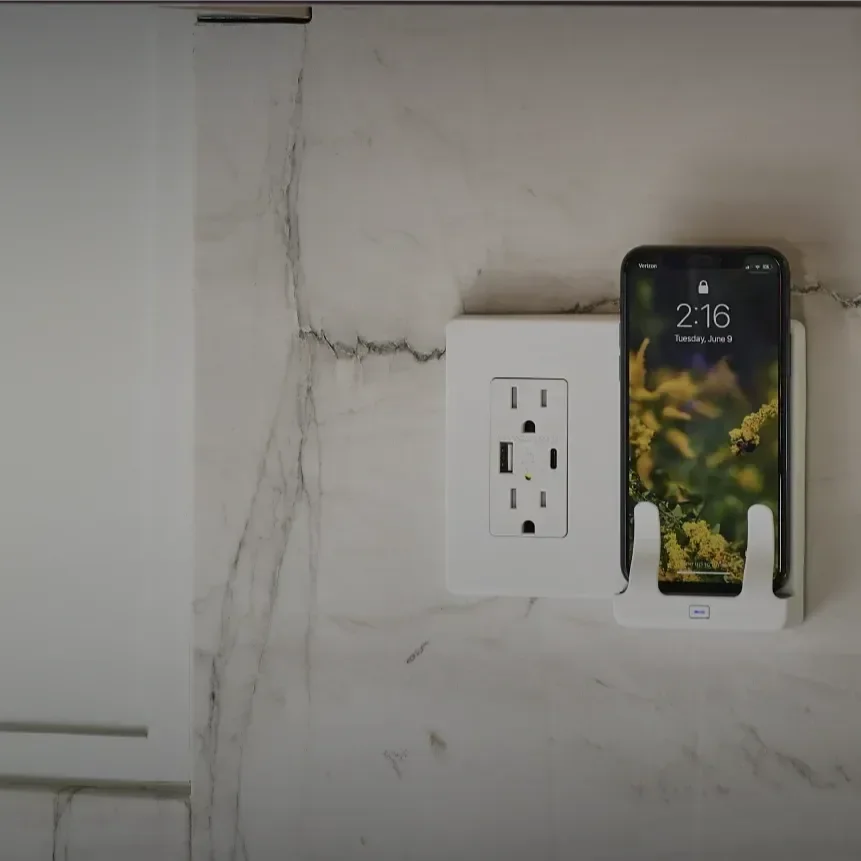
Take a look at the outlets and switches.
Are they basic plastic plates that disappear into the wall? Or are the plates, switches and outlets thoughtfully selected to complement the rest of the home?
This is another small detail that can make a surprising difference.
In some homes, you’ll also find USB charging built directly into outlets, concealed outlets within cabinetry, or switches that are thoughtfully positioned and labeled as part of a larger smart-home system.
Again, it’s not one expensive feature that makes the home luxurious. It’s the accumulation of hundreds of small details.
Pay Attention to the Windows and Rooflines
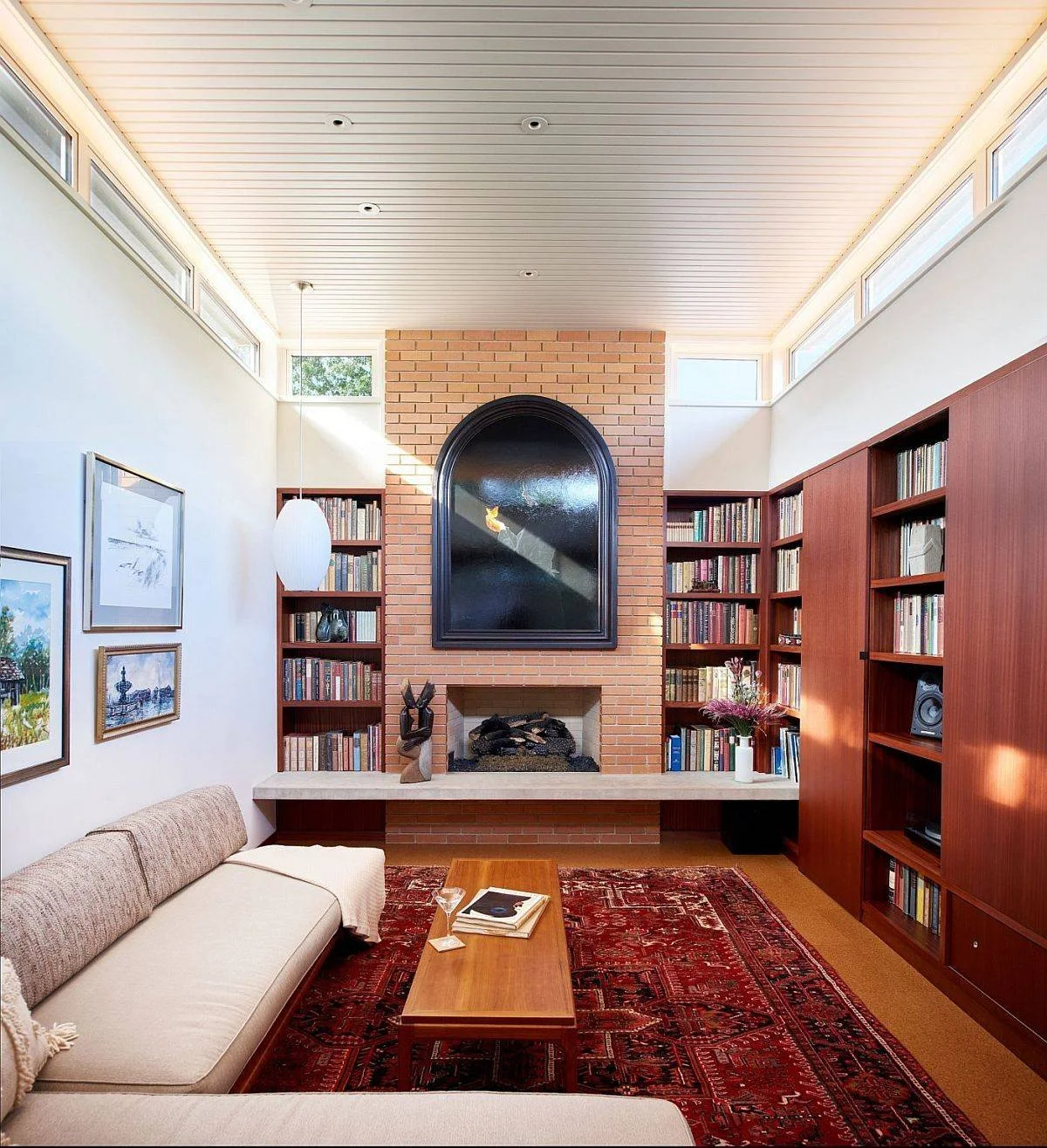
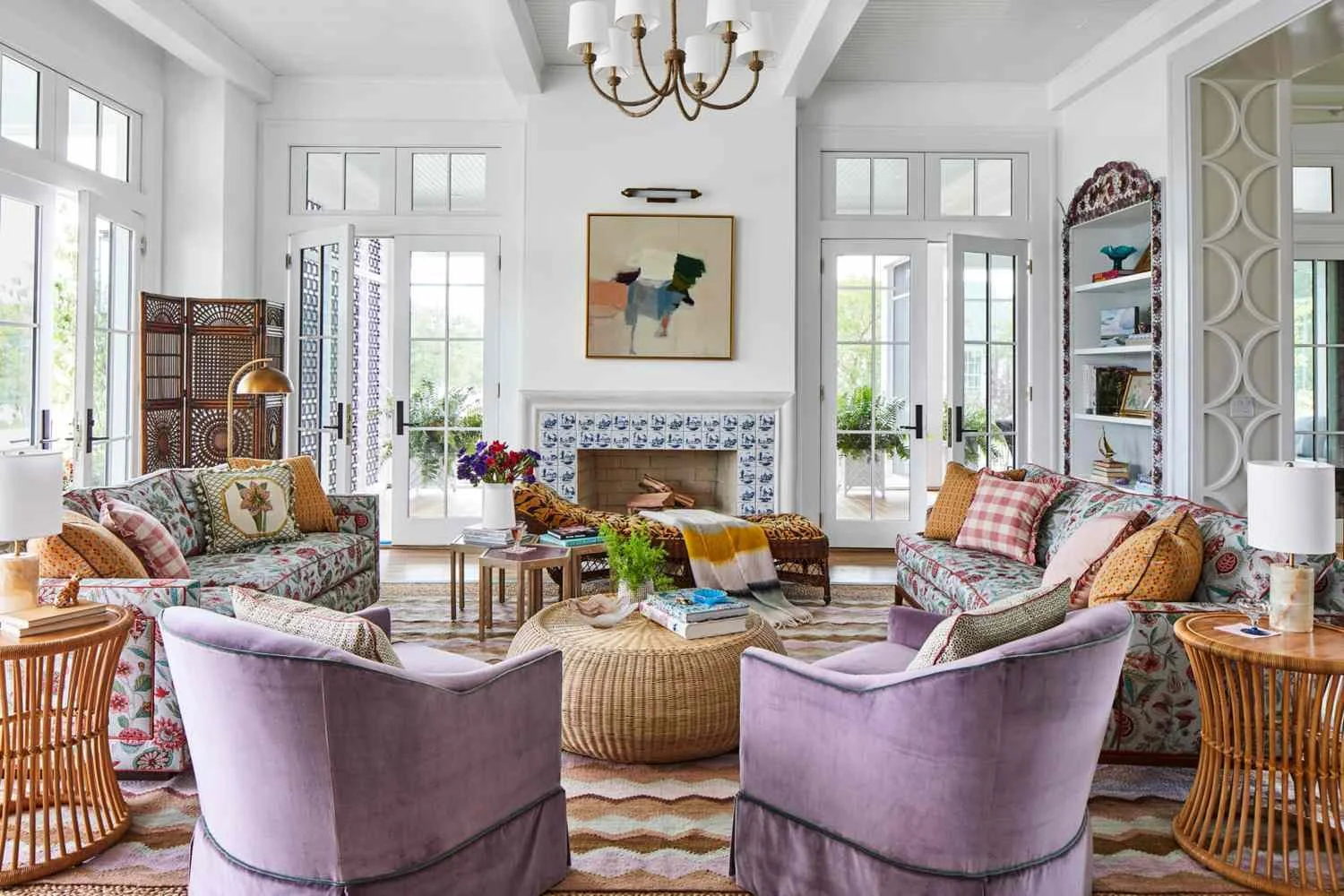
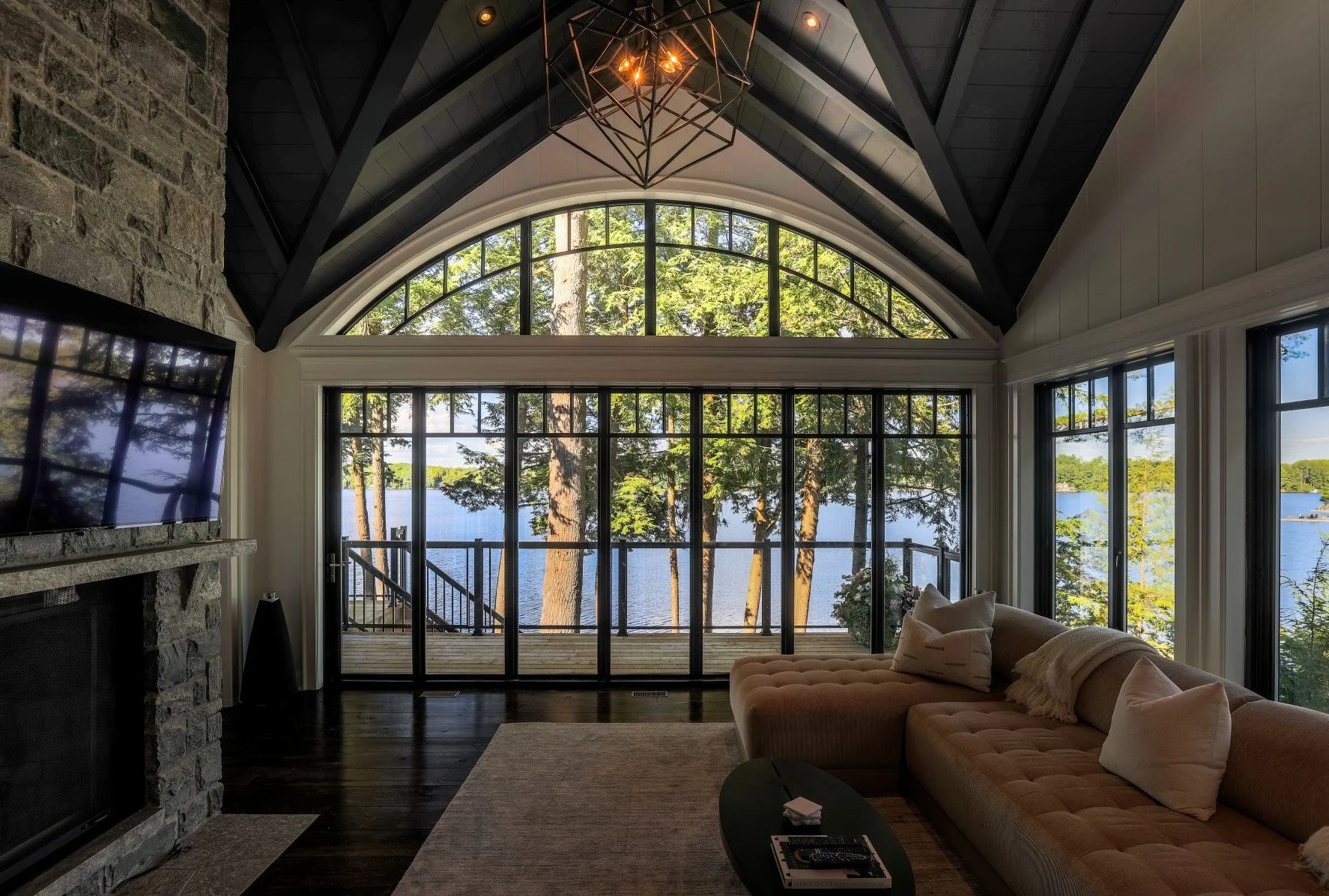
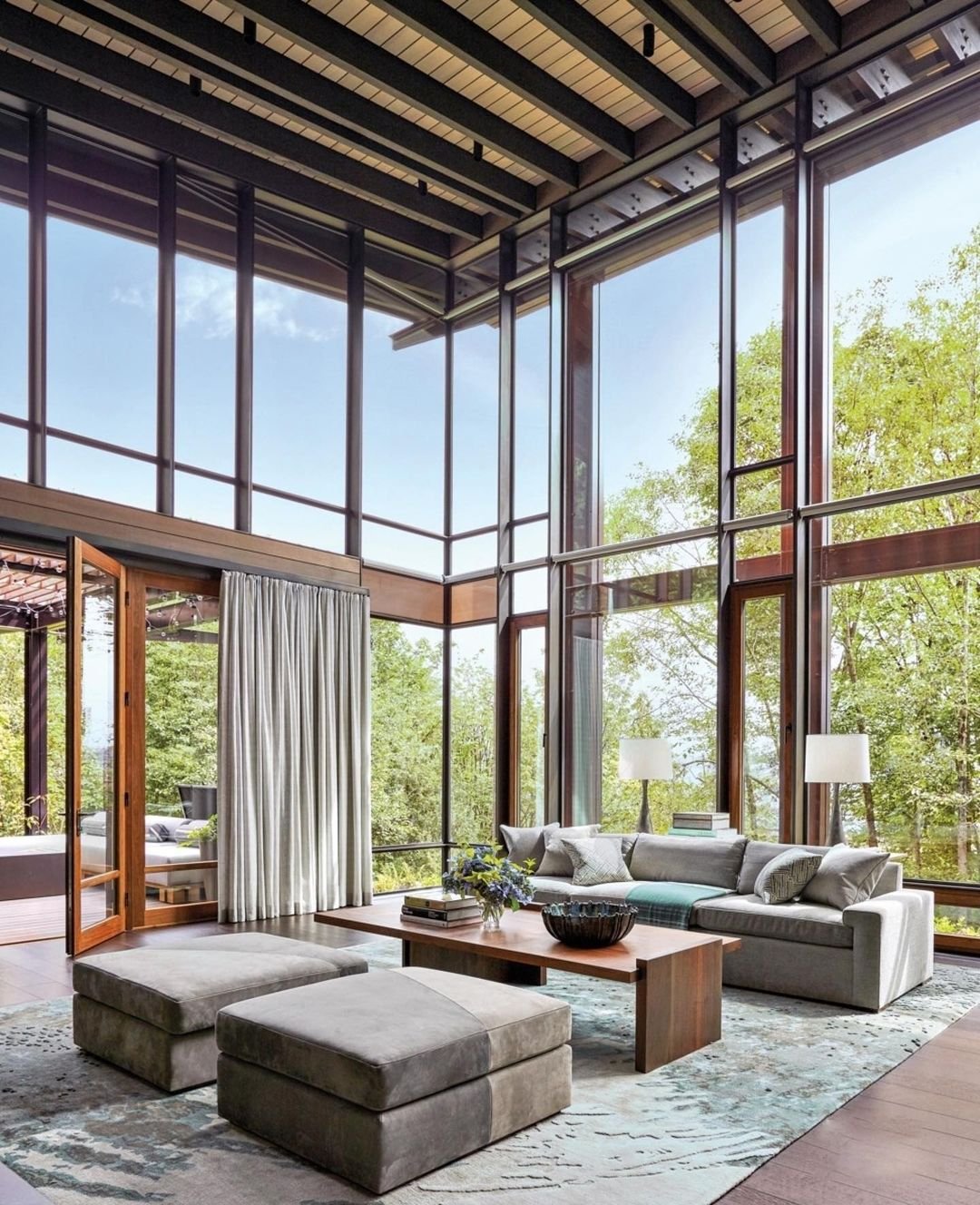
Look at the architecture of the exterior. Are there oversized windows that bring in natural light? Clerestory windows? Transoms? Corner windows? Arched or unusually shaped windows? Large sliding or pivot doors?
Good architecture uses windows intentionally—to frame a view, bring light into a space, connect indoor and outdoor living, or create a focal point.
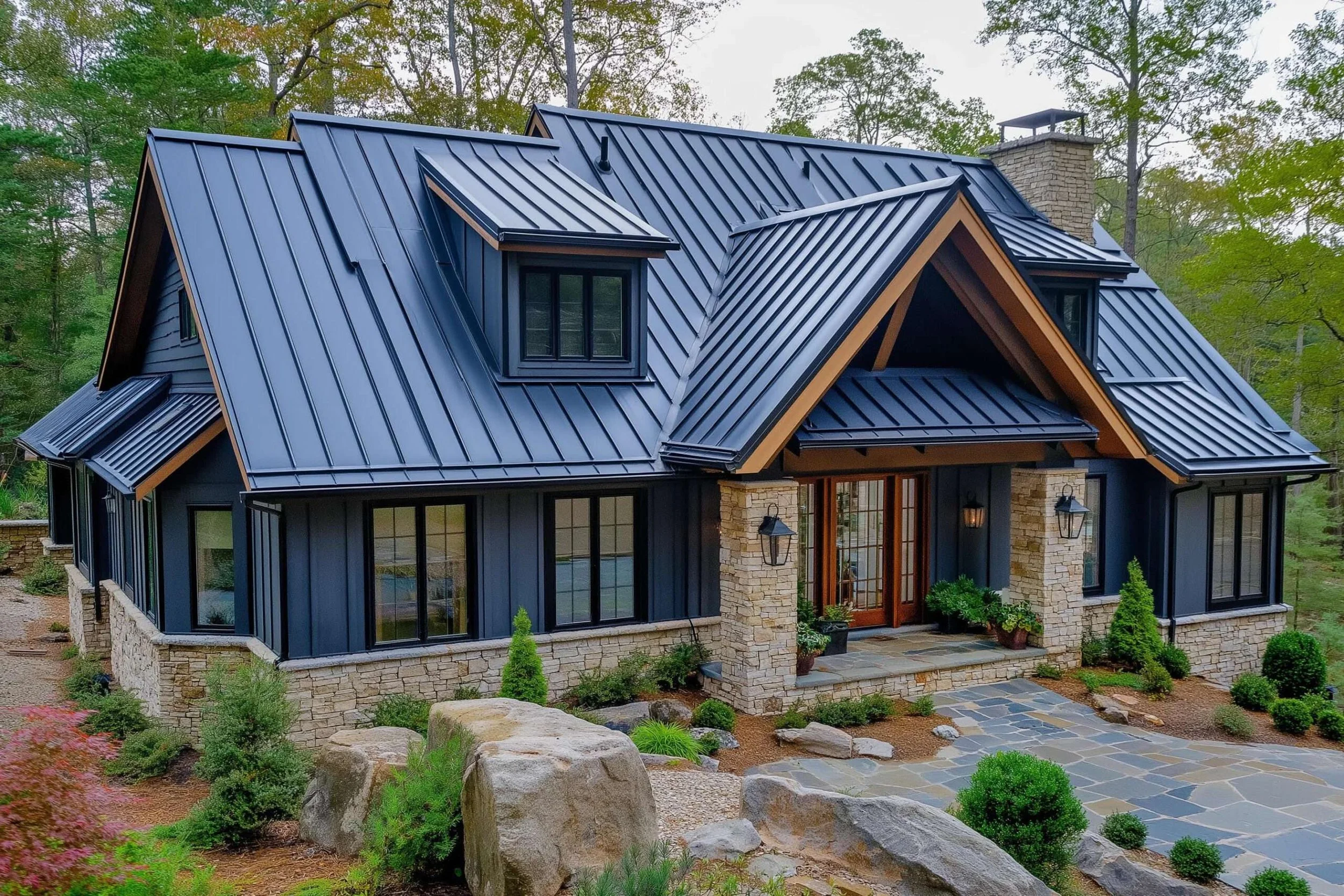
The roofline matters, too. Multiple roof forms, interesting proportions, deep overhangs and thoughtfully designed exterior details can give a home a level of architectural interest that you simply can’t create with finishes alone.
Look Down at the Floors
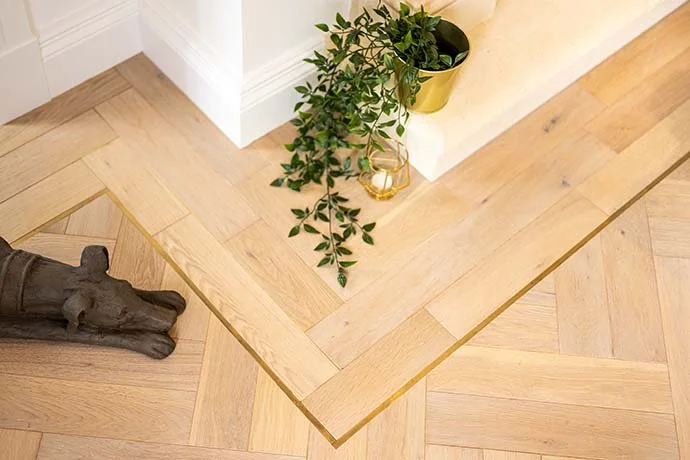
Flooring is another place where quality becomes apparent when you know what to look for.
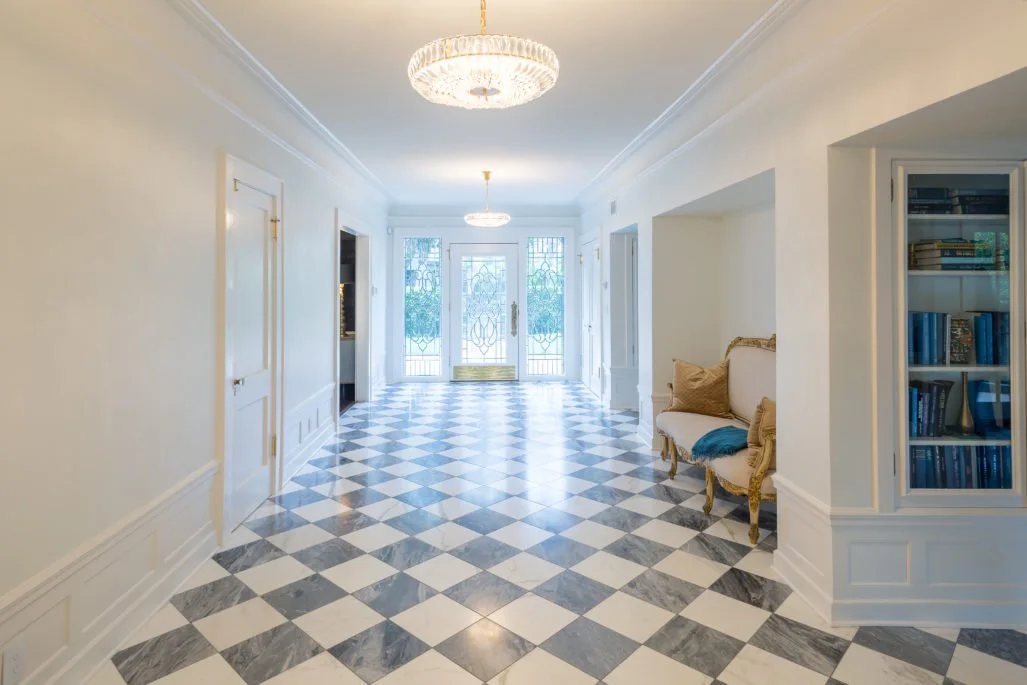
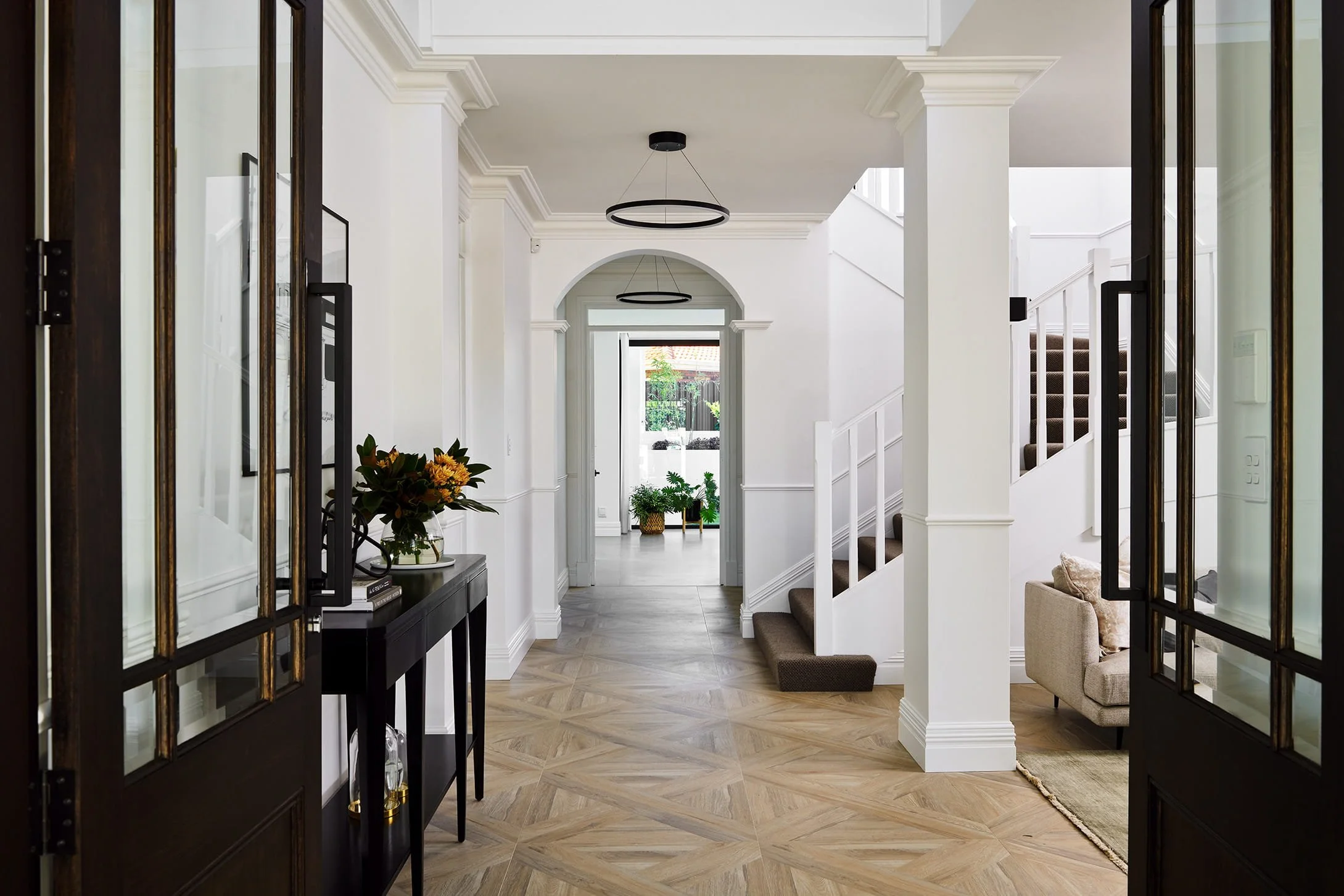
Wide-plank hardwood, site-finished floors, natural stone, large-format tile and carefully planned transitions can all contribute to a more elevated feel.
But I’m also looking at how those materials come together.
Are transitions clean? Does the flooring flow naturally between spaces? Do the proportions of the planks make sense for the room? Are there awkward seams or inexpensive transition pieces interrupting the design?
The best details often disappear because they were done correctly.
Stone Is About More Than the Countertop
A quartz countertop doesn’t automatically make a kitchen high-end.
Look at how the stone was selected and installed.
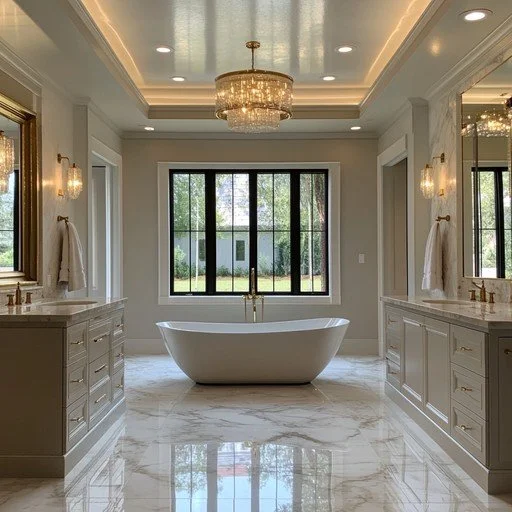
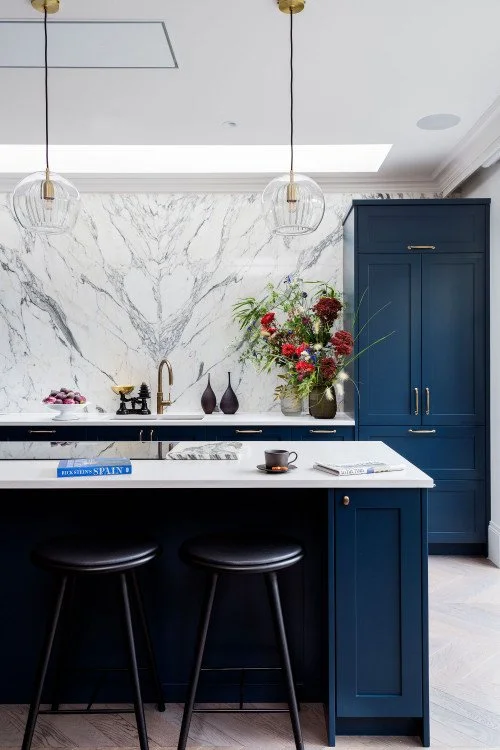
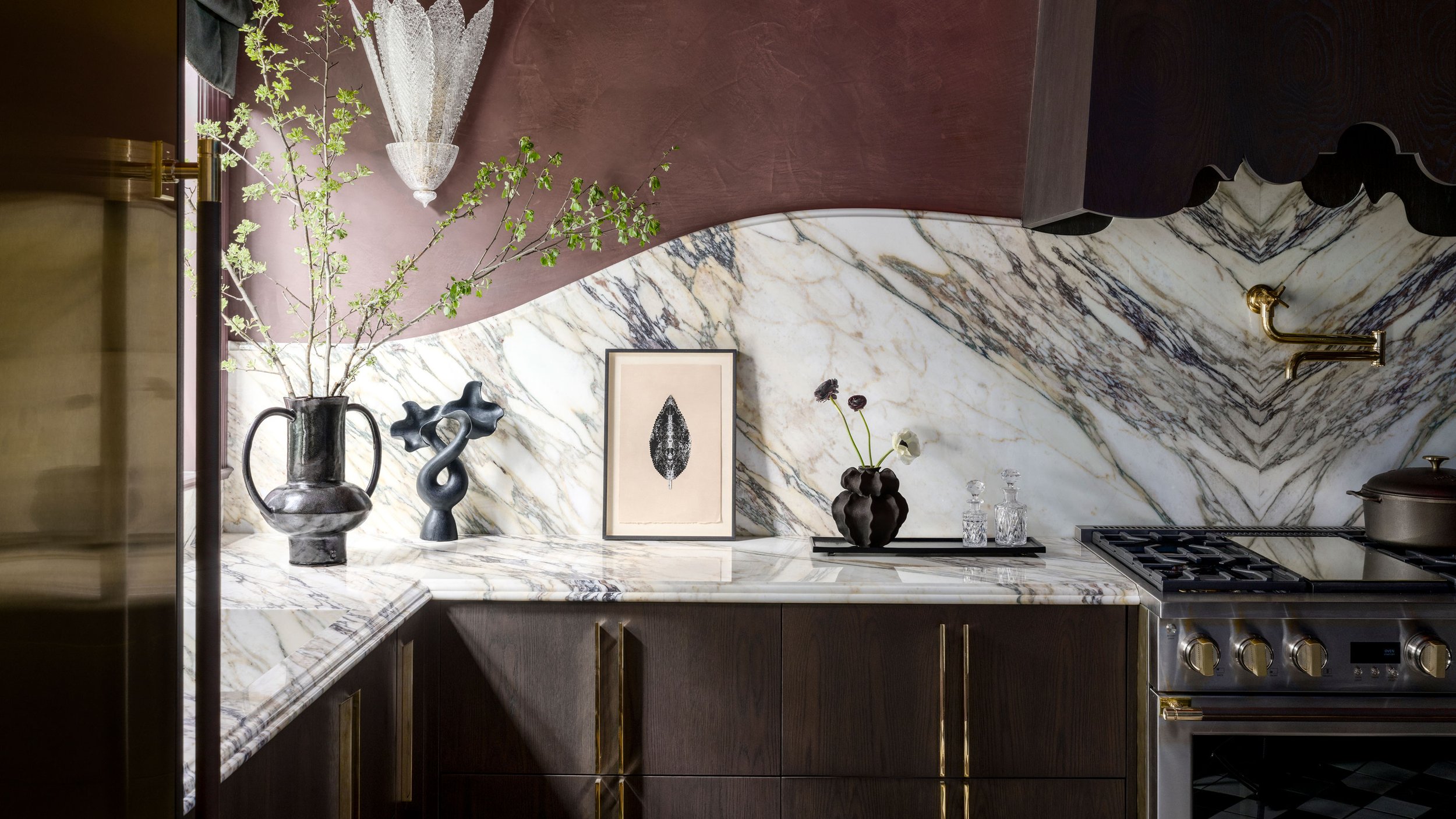
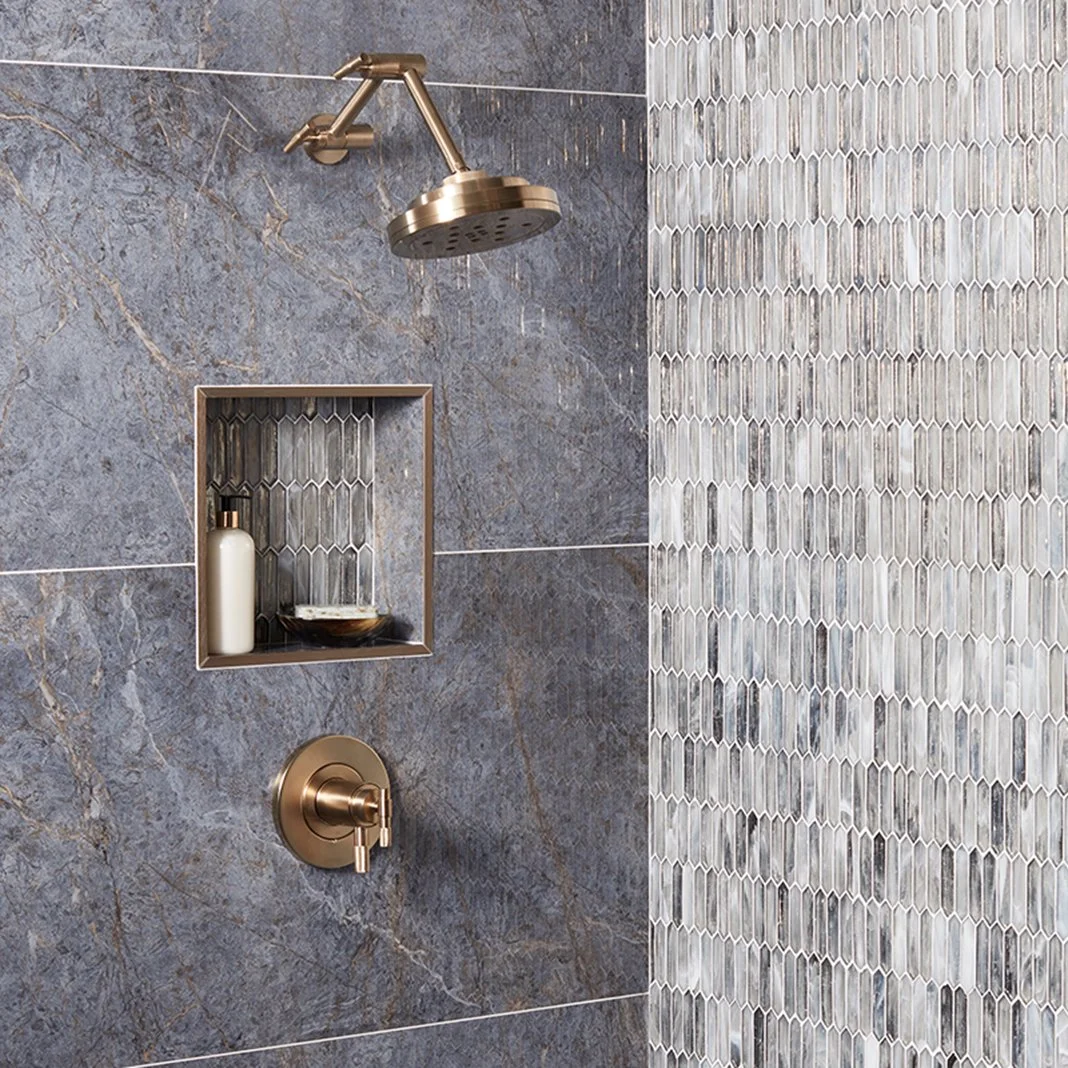
Natural stone, bookmatched slabs, vein-matched surfaces, full-height backsplashes, carefully executed waterfall edges and stone carried into other areas of the home can all create a much more custom result.
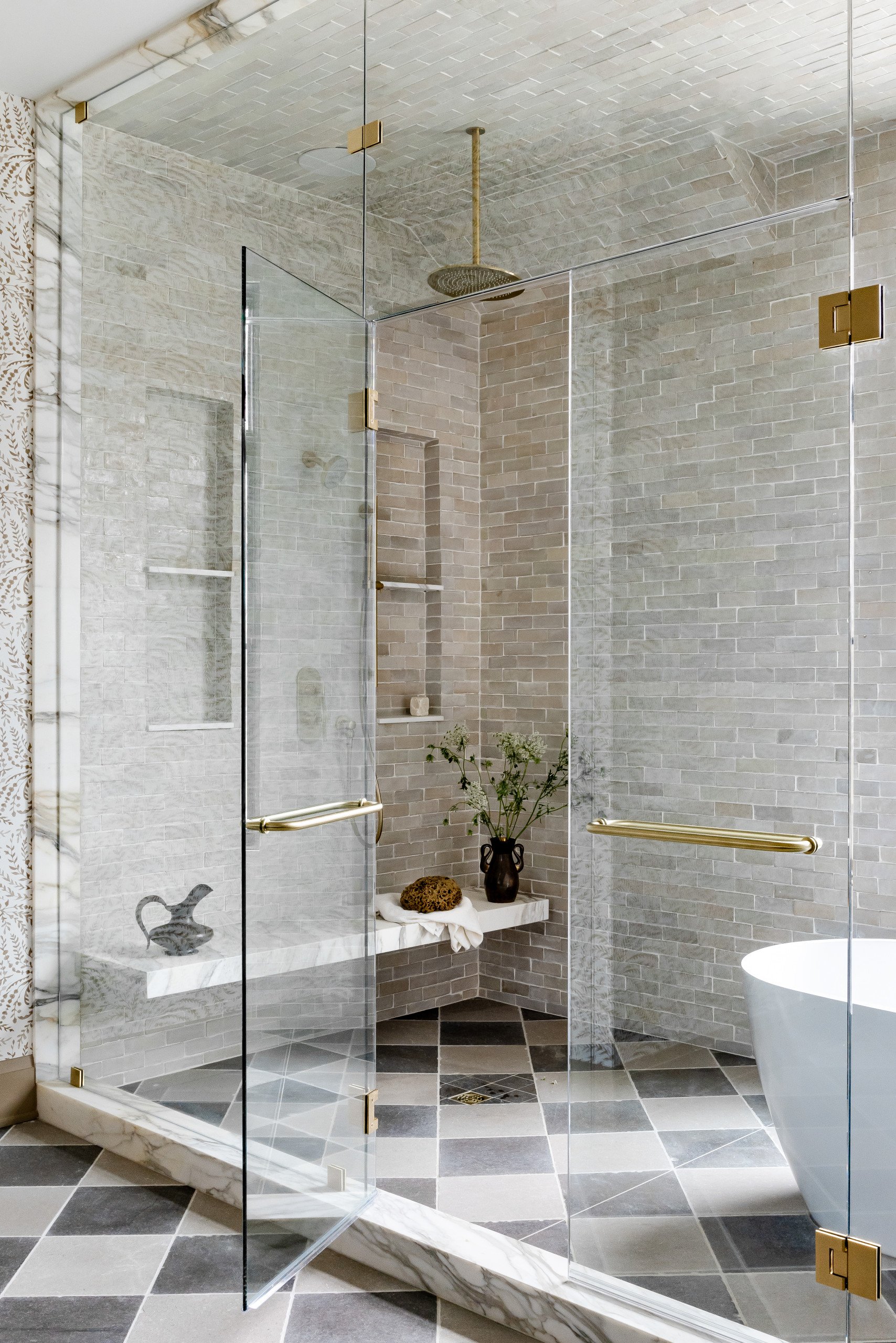
The same applies in bathrooms. A beautifully detailed shower with full-height stone, a thoughtfully designed niche and a clean linear drain can feel dramatically different from a standard tile installation—even if both technically qualify as “upgraded.”
And Then There Are the Things You Can’t See
Some of the most important indicators of quality won’t be visible in photographs at all.
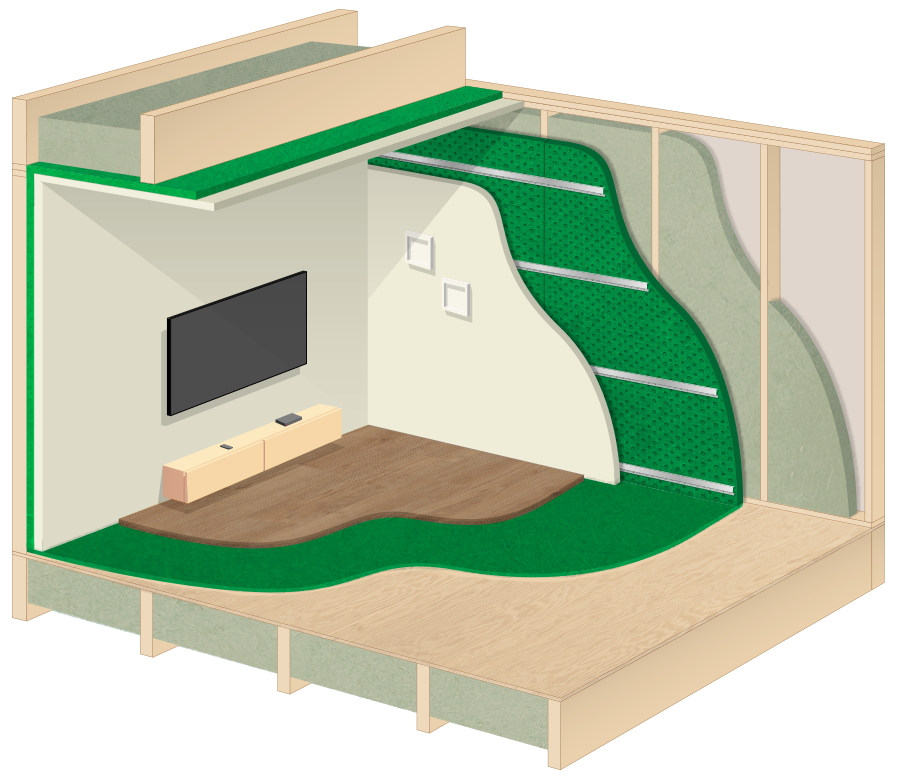
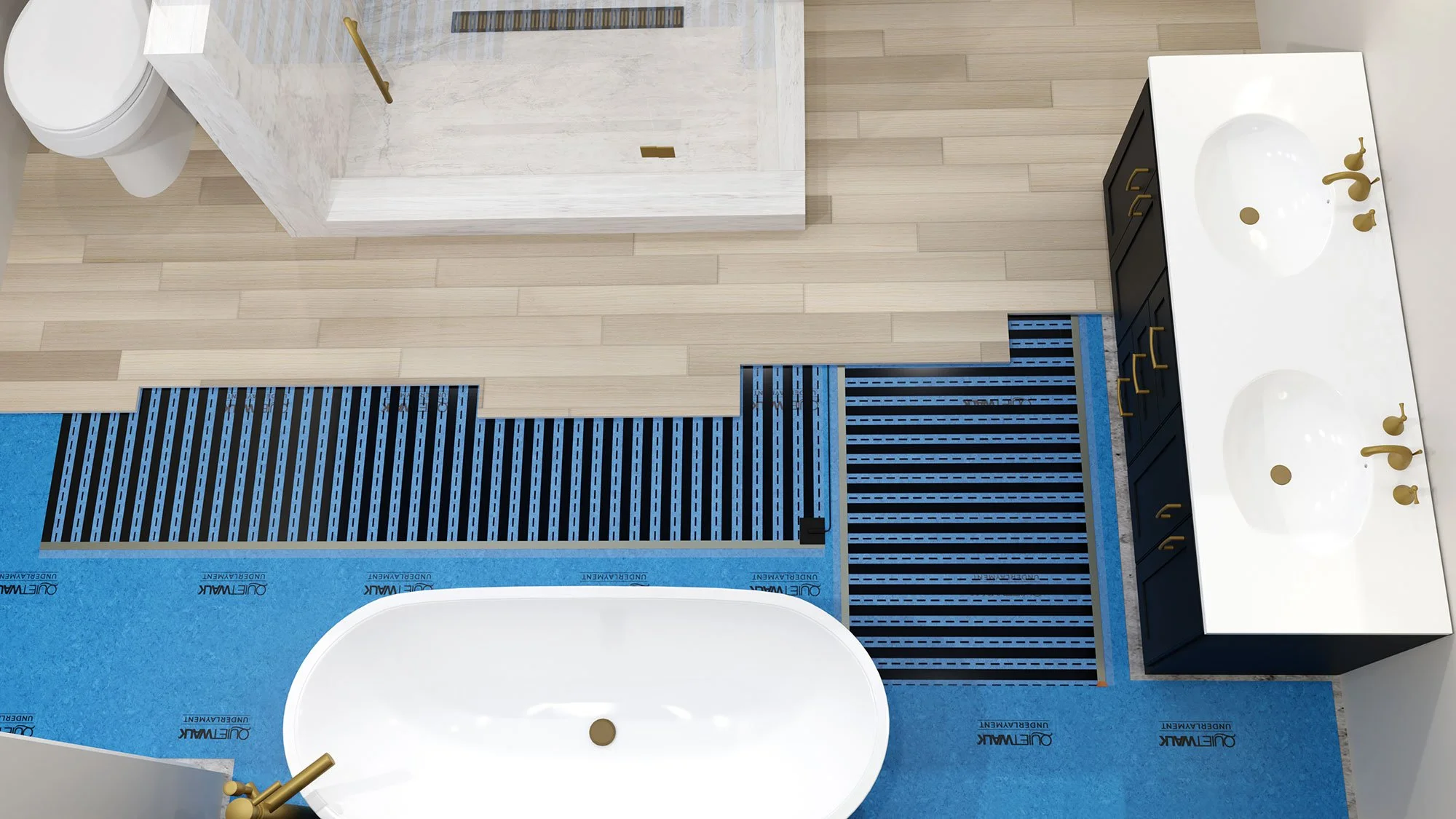
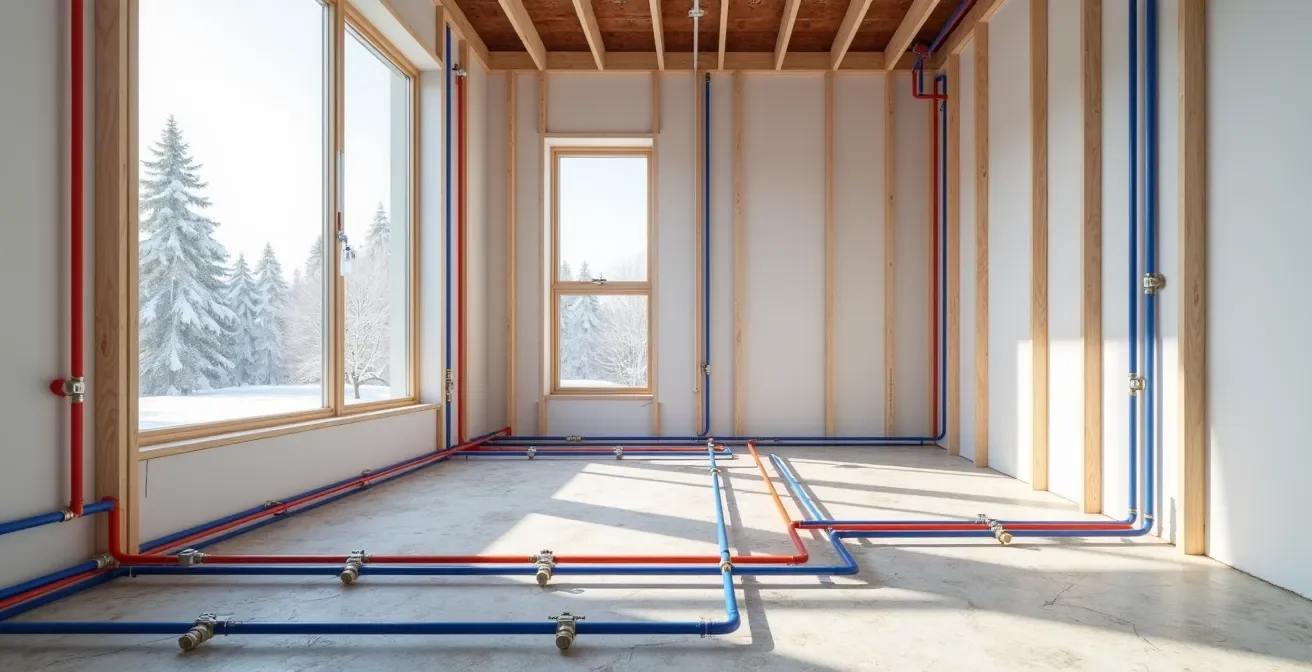
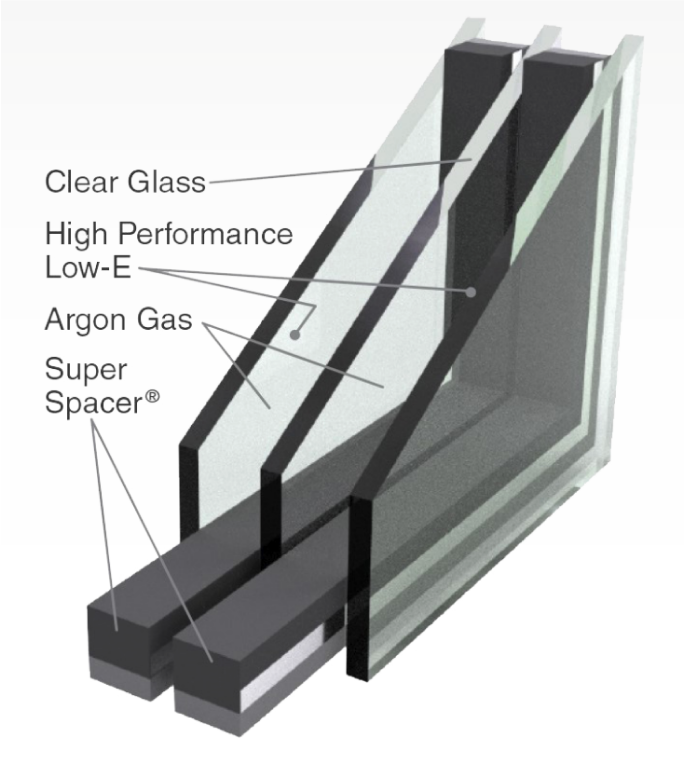
Think about insulation, soundproofing, window quality, roofing materials, plumbing, HVAC systems, air filtration, radiant heating and other behind-the-walls construction details.
These are the things I want buyers to ask about rather than assuming a high price means high quality.
A home can have gorgeous countertops and beautiful light fixtures while still having very average construction underneath.
Luxury Is Really About Intentionality
Ultimately, I don’t think there’s a checklist that defines a luxury home.
A contemporary home may have no crown molding whatsoever. A historic home may have elaborate millwork everywhere. A modern home may rely almost entirely on clean lines and natural materials.
What they can have in common is something more important: intentionality.
The lighting was considered.
The cabinetry fits the space perfectly.
The doors feel substantial.
The outlets are where you need them.
The HVAC registers don’t distract from the architecture.
The windows frame the view.
The storage has been designed around how people actually live.
The materials feel good under your hand.
And nothing feels like an afterthought.
That’s the difference between a home that is expensive and a home that feels truly high-end.
When you’re shopping for luxury real estate, don’t just look at the price, the square footage or the zip code. Slow down and look at the details.
They’re often telling you much more about the quality of the home than the listing price ever could.